A real-life story · London, England, 1924
Doris’s deathbed vision: her sister Vida
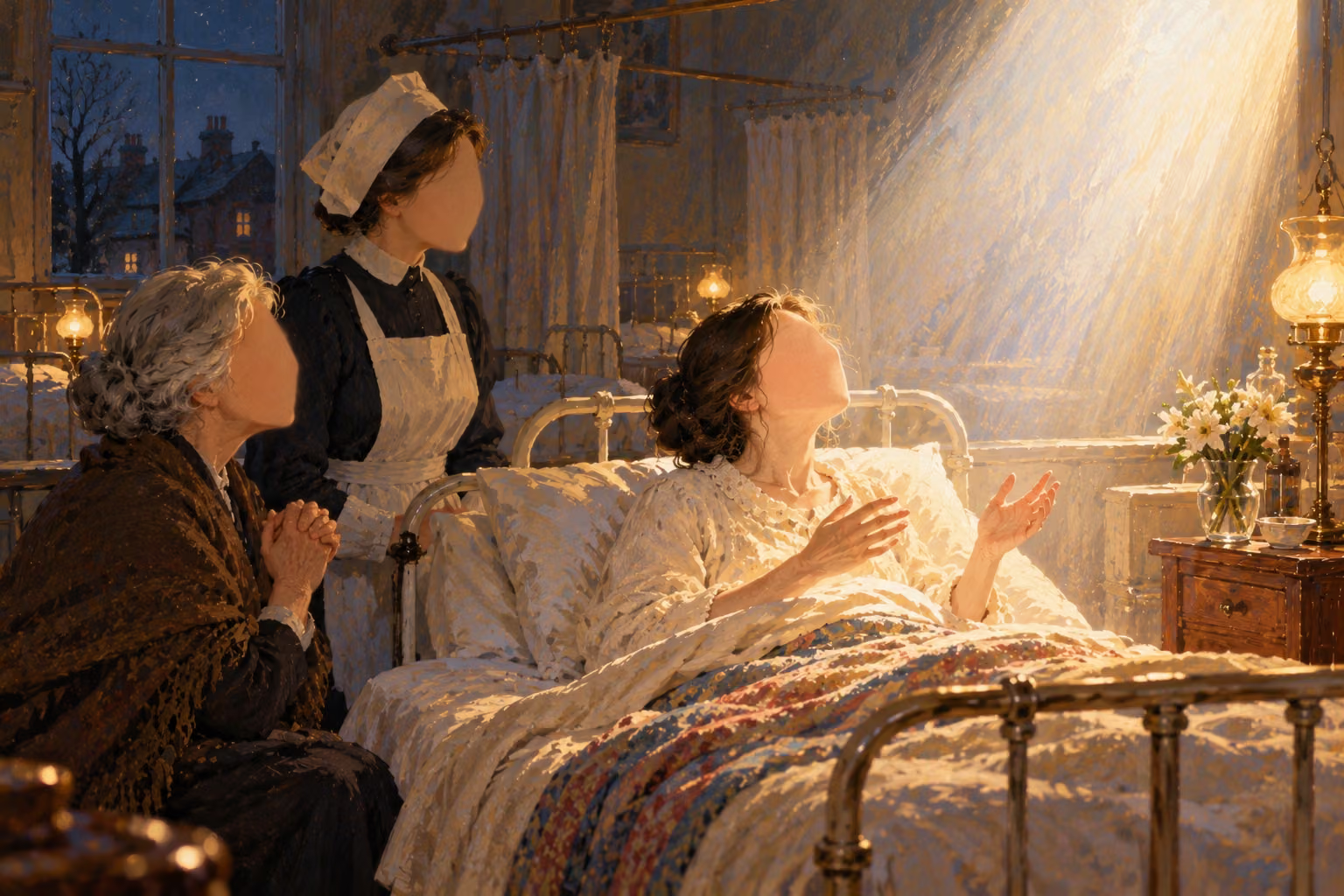
In January 1924, Doris was dying in a London hospital after giving birth. Before she died, she said she could see her father, who had already died. She said her sister Vida was with him. Vida had died 18 days earlier. The family hadn’t told Doris.
The physicist William Barrett wrote a book about what dying people see. He put Doris’s story first. A nurse who wasn’t family heard Doris say Vida’s name. And today Vida’s death can be found in England’s death register. We tell the story step by step and then look at what could be checked. If you only want the evidence, go straight to what can be checked.
Step 1
December 25, 1923 · Her mother’s account
Vida, Doris’s older sister, dies on Christmas Day
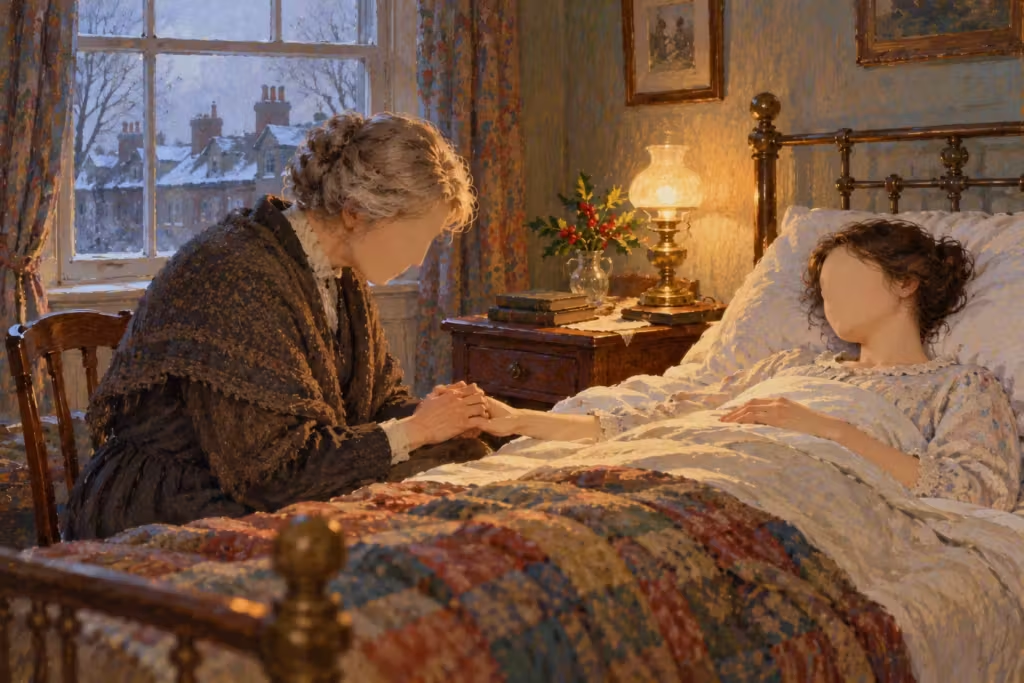
Vida and Doris were the daughters of Mary Clark, from London. Vida was the older one. She had been very ill for several years and couldn’t look after herself.
Doris, the younger one, was married and expecting a baby. That winter she was very ill too. She was a patient at a maternity hospital in Clapton, London, called the Mothers’ Hospital.
Vida died on December 25, 1923. That date comes from her mother.
Doris was so ill that no one dared to tell her.
Step 2
December 1923 to January 1924 · Her mother’s account
The family hides her sister’s death from Doris
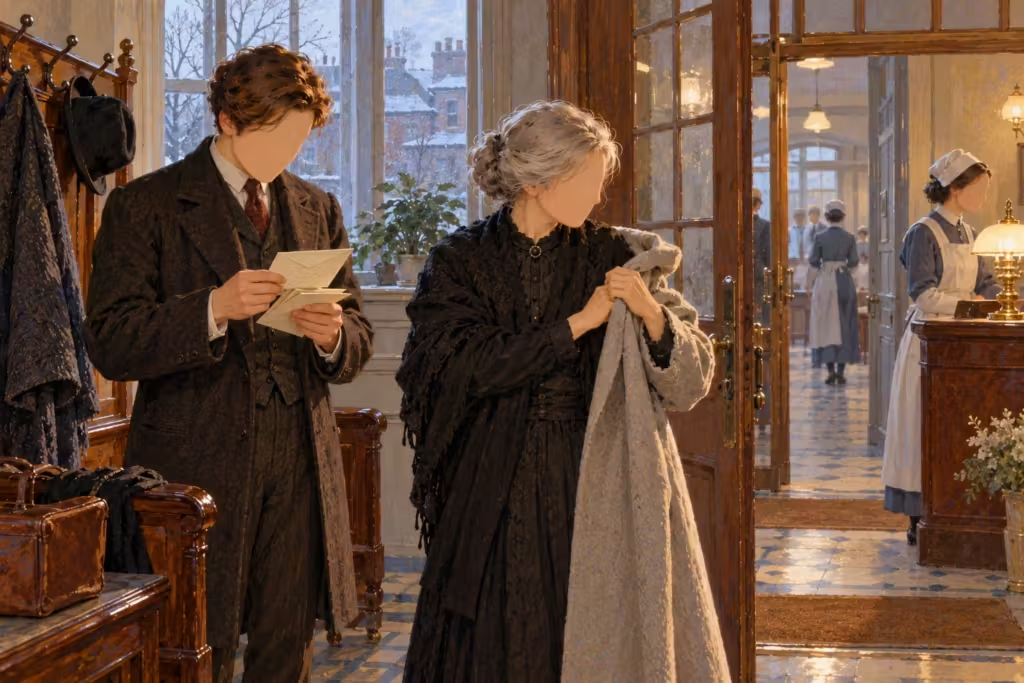
The hospital’s matron, the head nurse, thought it was better for Doris not to know. The family did everything they could to keep it from her.
- They took off their mourning clothes every time they went to see her, and visited her as usual.
- Her husband checked all her letters before giving them to her. Some friends didn’t know how ill Doris was. The family was afraid that one of them might write to her about Vida’s death.
Almost three weeks went by like this.
Step 3
January 12, 1924 · Florence Barrett’s account
Doris gives birth with a very weak heart, and she is dying
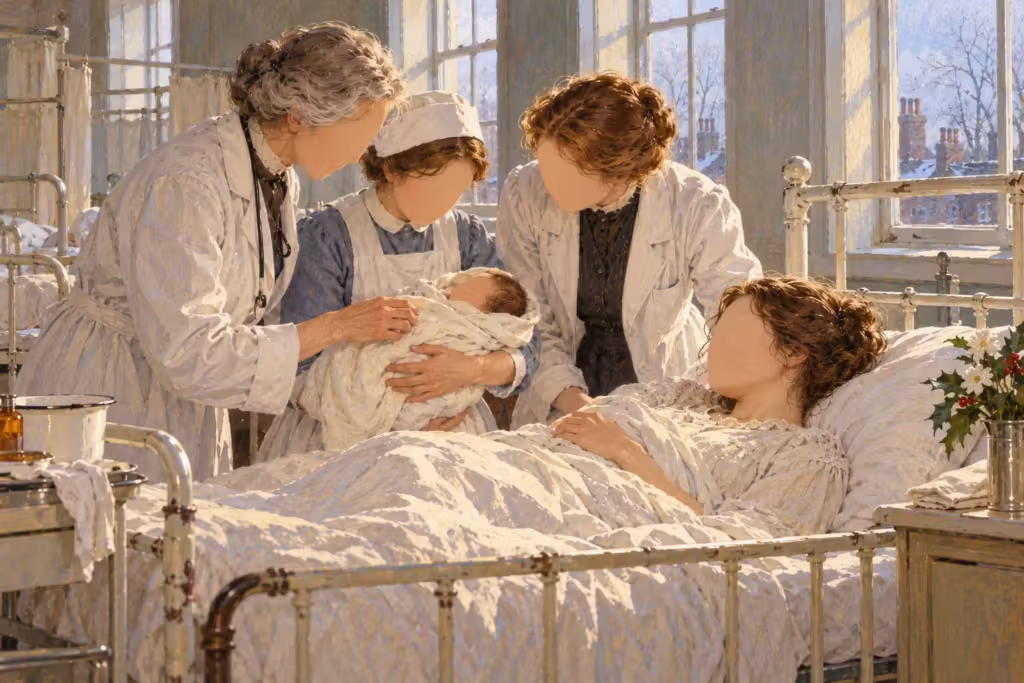
That day, Doris went into labor and her heart began to fail. Dr. Phillips was the doctor on duty. She sent an urgent message to Florence Barrett. Florence Barrett was one of the hospital’s obstetric surgeons, and she was married to the physicist William Barrett.
She came at once. The baby was born safely, but premature. Doris was dying.
A little later, Florence Barrett went back to Doris’s ward. Soon afterward, she wrote down what she heard.
Step 4
That day · Dr. Barrett’s account
Doris says everything is getting dark, then suddenly that she sees a lovely light and her father
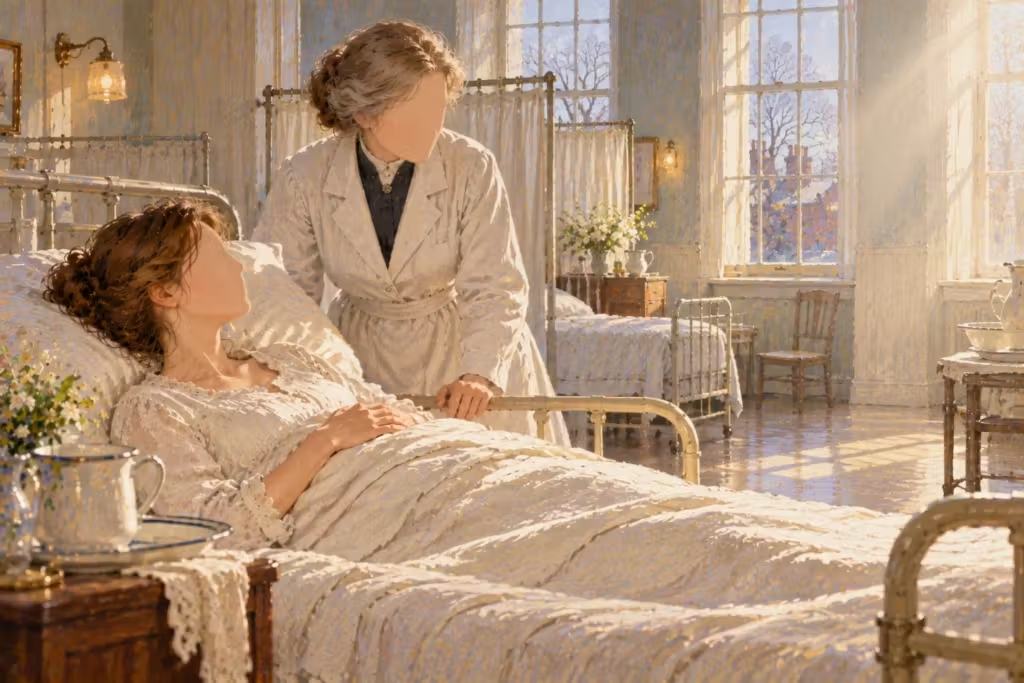
Doris thanked her for the baby and asked her not to leave. Then she said everything was getting dark, darker and darker.
Suddenly she looked toward one part of the room and smiled. She said she could see a lovely brightness and wonderful beings. Then she cried out, full of joy:
“Why, it’s Father! Oh, he’s so glad I’m coming…”
Her father had died some time before. They brought her the baby, and she looked at it with interest. She asked whether she ought to stay for the baby’s sake. Then she said she couldn’t stay: “If you could see what I do, you would know I can’t stay.”
Florence Barrett’s note says nothing about Vida. Florence Barrett left shortly afterward. The matron took her place at the bedside.
Step 5
Shortly before her death · The matron’s account
Doris pushes her husband aside and says, “Oh, why there’s Vida”
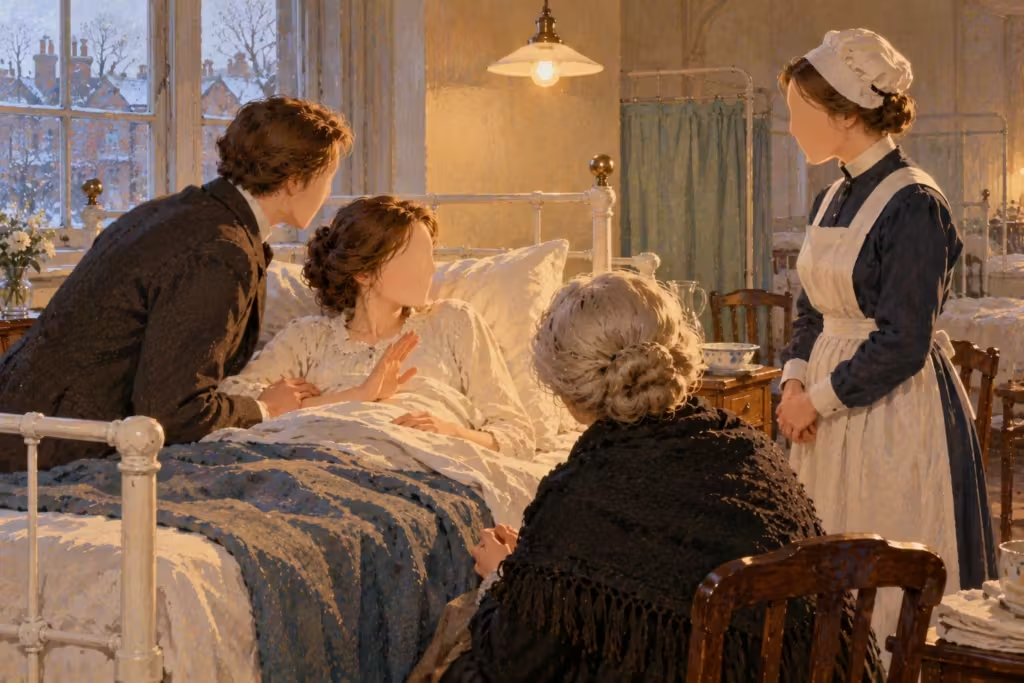
Miriam Castle was the hospital’s matron. She wasn’t family. She was at the bedside with Doris’s husband and mother.
Her husband was leaning over her to speak to her. Doris pushed him aside and said, “Oh, don’t hide it; it’s so beautiful.” Then she turned toward the matron and said:
“Oh, why there’s Vida.”
Afterward, Doris’s mother told the matron who Vida was. She was Doris’s sister, and Doris didn’t know that she had died. The matron wrote that Vida had died three weeks earlier. In the letter she wrote later, the mother says it was 18 days.
Step 6
Shortly before her death · Her mother’s account
Her mother hears Doris say that her father has Vida with him
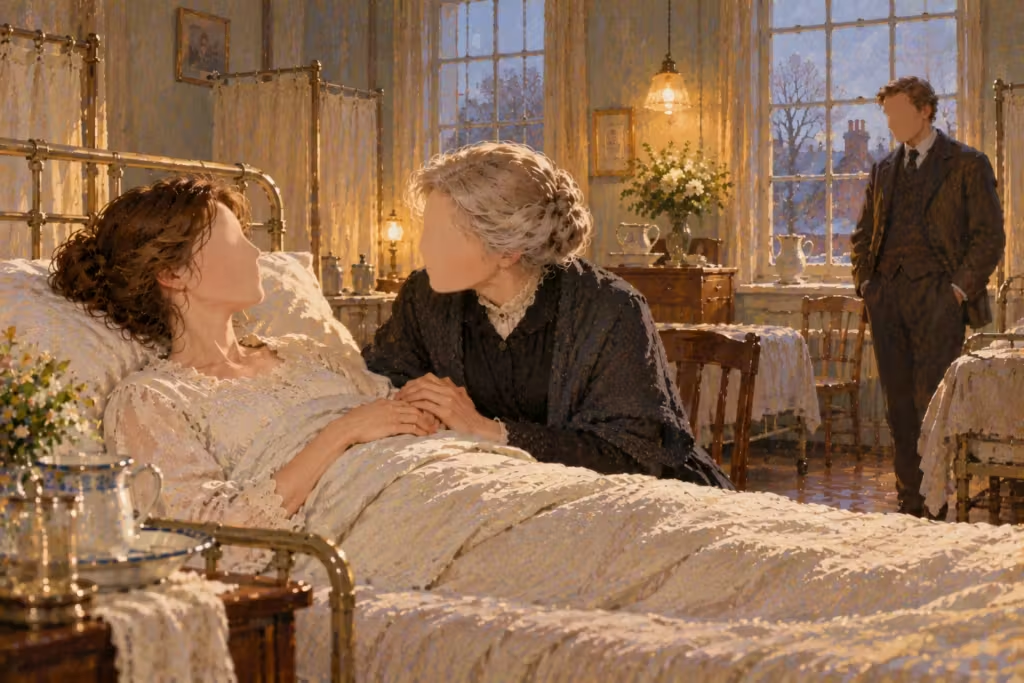
Doris’s mother was there too. She wrote down what she heard:
- First, Doris said she could see her father. She said he wanted her with him and that he was lonely. She told her father, “I am coming.”
- Then she looked at the same spot again, with a puzzled look, and said, “He has Vida with him.” She turned to her mother and said it again: “Vida is with him.”
- At the end, with great effort, she asked to see the priest who had married her. Someone went to fetch him.
Doris died that same day. According to Dr. Barrett, Doris lived for another hour after the doctor left.
Step 7
1924 to 1926 · William Barrett’s account
The doctor’s husband gathers the statements and publishes them in a book
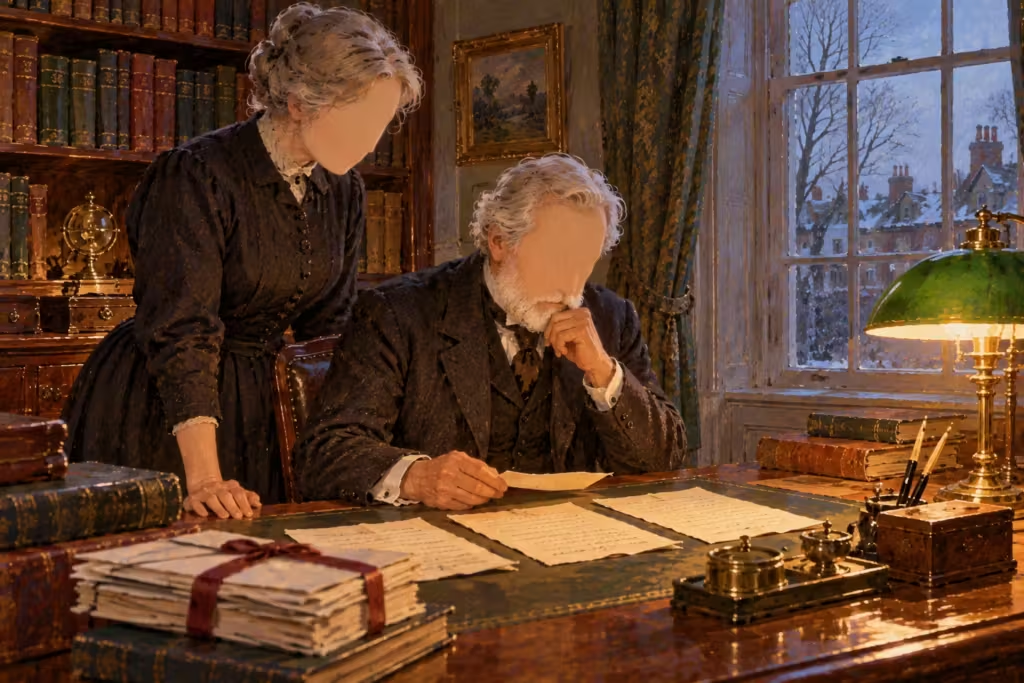
Florence Barrett told her husband, the physicist William Barrett. He studied accounts like this one, and he wanted to gather everything that could be checked.
- Dr. Phillips read Florence Barrett’s note and wrote that she agreed with it.
- The matron sent her signed statement.
- Doris’s mother wrote a letter about what she saw, with the date of Vida’s death. In the letter, she says the priest who had married Doris wrote about the vision in his parish magazine in February 1924. That magazine hasn’t been found online.
William Barrett died in 1925. The book came out in 1926. It is called Death-Bed Visions, and Doris’s case comes first. On the page about William Barrett’s book, we explain what the book is like and what can be checked about its other accounts.
Florence Barrett’s note, the matron’s statement, and the mother’s letter don’t give the exact time. The doctor’s note was written shortly afterward, but the book does not give the exact day.
Step 8
Today · The death register
England’s death register confirms that Vida had already died

In England, every death is recorded in a civil register. Its indexes can be searched online today.
The index lists Vida M. Clark, aged 34. She died in the last three months of 1923, in West Ham, in East London. So she died before January 12, 1924, the day Doris said she saw her.
The question remains: how could Doris see her sister, if no one had told her that she had died?
Frequently asked questions
Who was Doris, the “Mrs. B.” in William Barrett’s book?
Doris was a young woman from London who died on January 12, 1924, at the Mothers’ Hospital, after giving birth. The book Death-Bed Visions (1926) calls her “Mrs. B.” Her mother, Mary Clark, calls her Doris in her letter.
What is a “Peak in Darien” case?
It is when a dying person says they see someone they believed was still alive. Later it turns out that person had already died. Doris’s case is one of the most often cited. There is more about these cases on the page about Barrett’s book.
Is Doris’s vision a near-death experience?
Not exactly. In a near-death experience, the person survives and later tells what they went through. Doris didn’t survive. She said what she saw out loud while she was dying. And the doctor, the matron, and her mother told it.
Where this story comes from
Books
- William Barrett, Death-Bed Visions (Methuen, London, 1926), chapter 2, pages 10 to 15, at the Wellcome CollectionRead for free
Case documents
- Florence Barrett’s note, written soon afterward and signed, in the book
- The signed statement of Miriam Castle, matron of the Mothers’ Hospital, in the book
- The letter from Doris’s mother, Mary C. Clark, written from Highbury (London), in the book
- The death index of the civil registration of England and Wales: Vida M. Clark, aged 34, last quarter of 1923, West Ham (volume 4a, page 314), searched on FreeBMDSearch FreeBMD
Learn more
- William Barrett’s book: what dying people see, with its 61 accountsRead
- What is a near-death experience?Read
Our archive
- Our reading of the case in the original book, our search of the death register, and its score on our five criteria, as of October 21, 2026
Keep reading
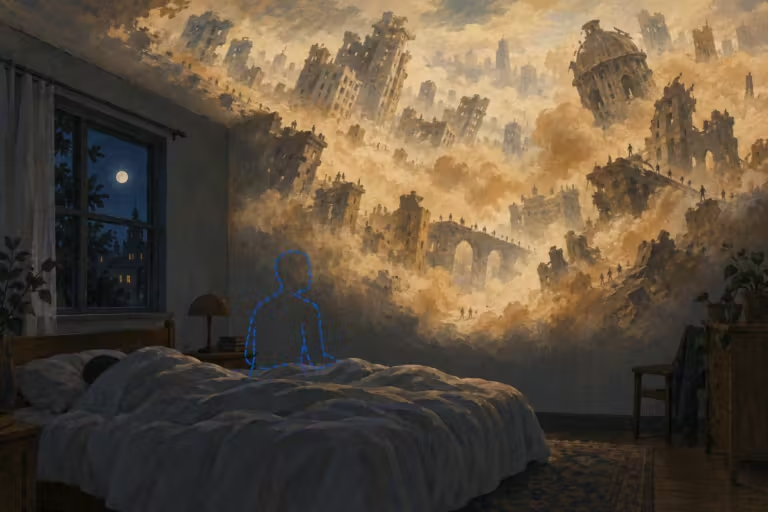
Colombia, around 1985
Luding Coenen
She had a hemorrhage in childbirth and says she saw her grandparents and a light. She says that years later she saw buildings falling at two in the morning. It was the time of an earthquake in Turkey.
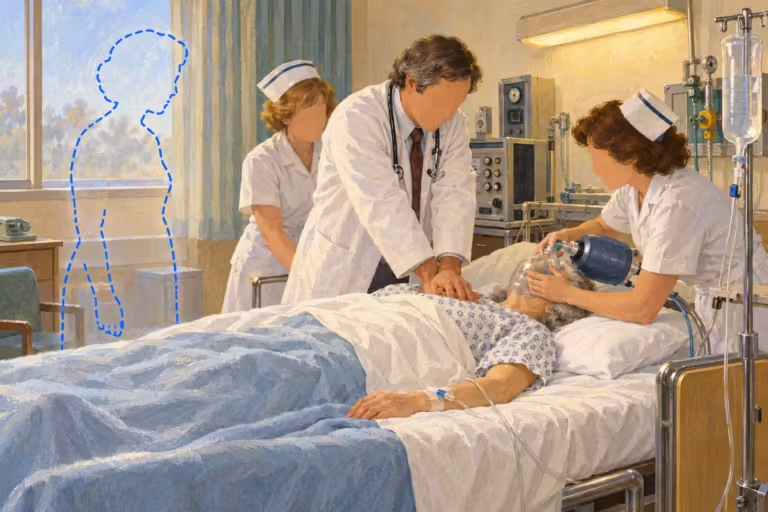
United States, 1978
Mrs. M.
She was resuscitated in her hospital bed. She later said she saw them prick her hand with a small needle, and she talked about blood gases. Her medical record notes that blood was taken from an artery at 7:30.

Zurich, 1944
Carl Gustav Jung
After a heart attack in 1944, Carl Gustav Jung said he saw the Earth from space. According to him, his doctor appeared to him to say he had to go back, and from then on Jung feared for the doctor’s life. The doctor died months later.

Reincarnation: The top 5 people who remember past lives
We asked them the same five questions as this story. A 32-page PDF, free in your inbox.
Check your email
We have sent you an email. Open it and press the button to confirm. If you cannot see it, check your spam folder.