Shared-death experiences
22 stories
Some healthy people sense someone else’s death at the moment it happens. They dream of the person, hear their voice or see them. We tell each story step by step, with what can be checked.
The stories
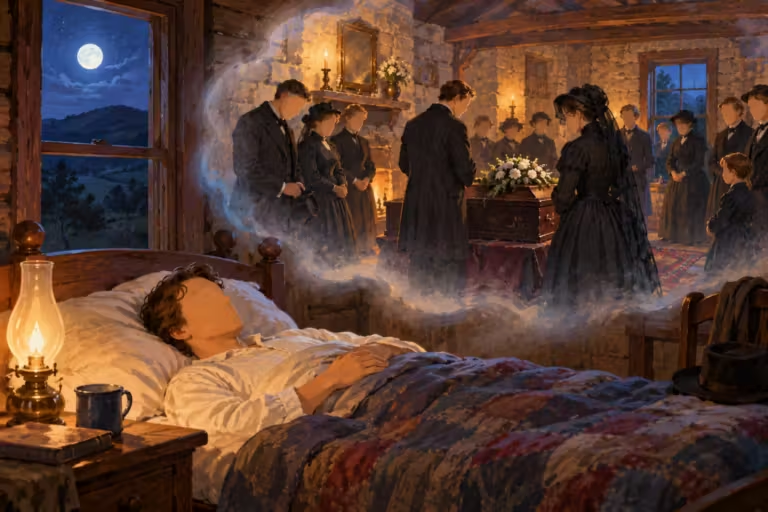
California and England, 1892
John Owen
He dreamed in California of the funeral of his mother, who lived in England. He wrote it in a letter before learning she had died.
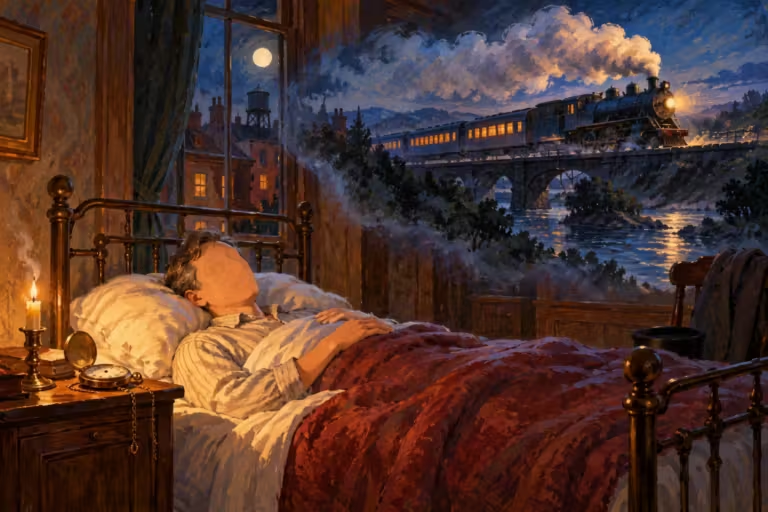
United States, 1897
J. F. Morse
He woke up convinced that his wife had died that night in a sanatorium. A doctor wrote it down with the time and mailed it before the news arrived.
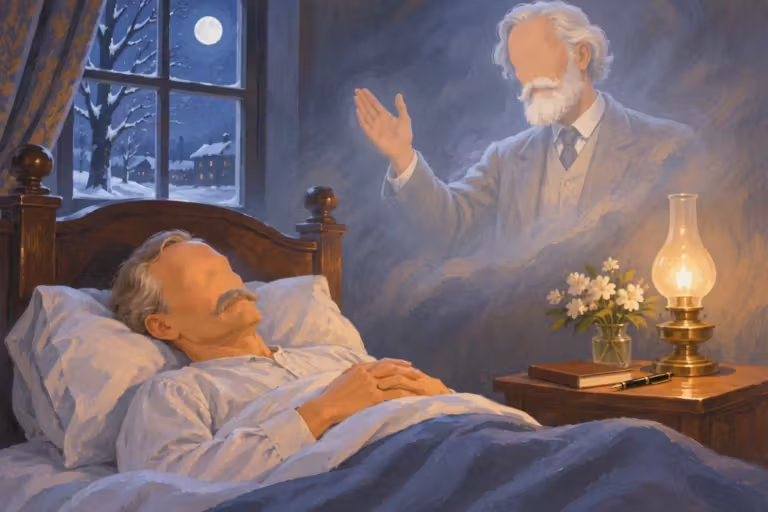
Denmark, 1907
Free in four years
In February 1907, a Dane dreamed that his friend told him, full of joy, that in four years he would be free. He wrote it down and had two witnesses sign it. His friend died in February 1911.
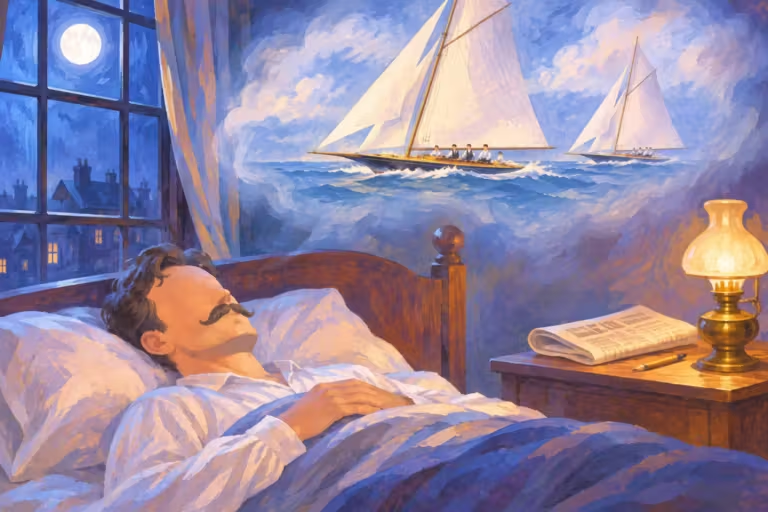
Boston, 1899
The Columbia yacht race
On the night of October 1, 1899, a Boston bookkeeper dreamed that the Columbia won a yacht race by 10 minutes and 14 seconds, and wrote it down in the office pool. Two weeks later, the Columbia won by that time.
England, 1925
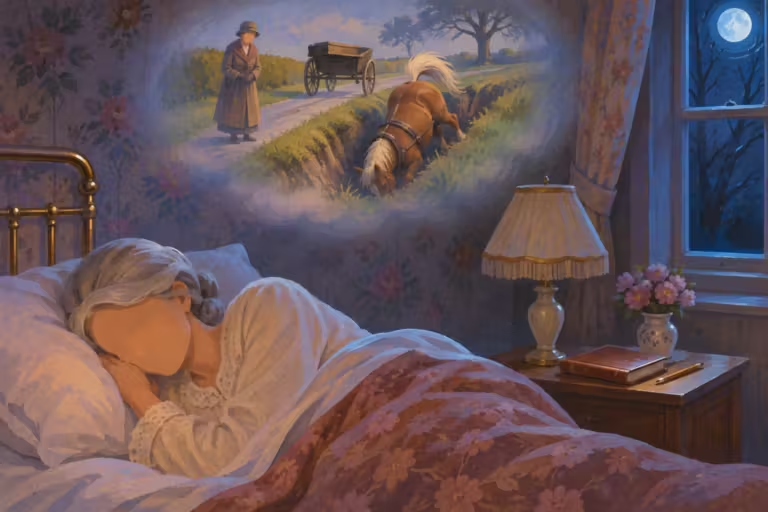
The nephew in the ditch
On the night of Monday, January 26, 1925, a woman dreamed that her nephew fell into a ditch with the pony on top of him, and she wrote it down in a notebook. A few hours earlier, her other nephew had fallen from his horse during a hunt.
New York, 1907
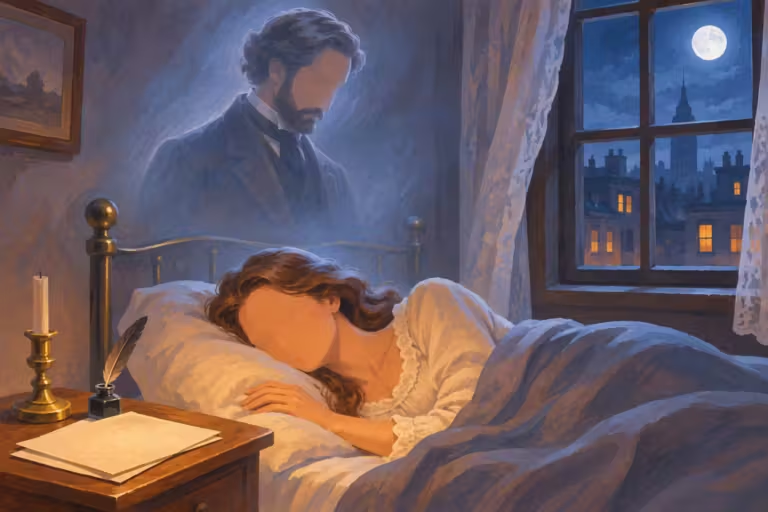
Boirac’s book
On the night of October 10, 1907, a New York woman dreamed of a French professor who was going to write something. She described it in a letter the next day. Months later, she wrote to him, and he replied that he was preparing a book and that he was in mourning.
United States, 1910
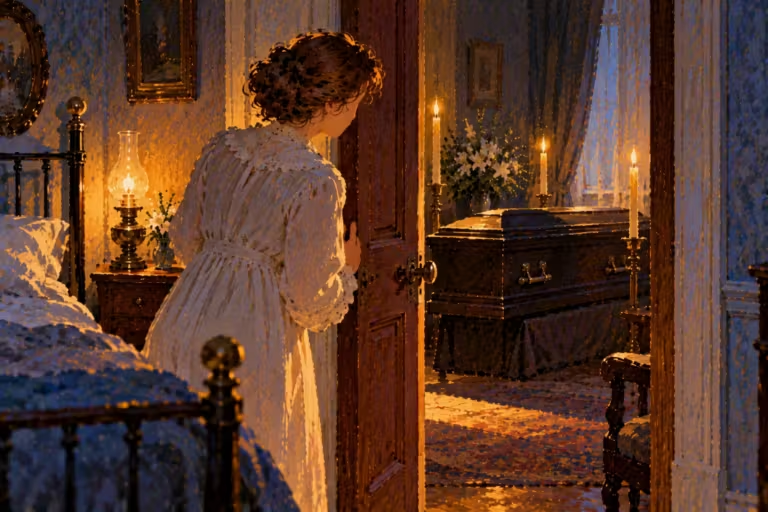
Sister Dorothy
In December 1910, Mrs. Sutton dreamed of her old teacher, Sister Dorothy, in a coffin. She believed the nun had already died, but the nun was alive and died eighteen days later.
Tasmania, 1888
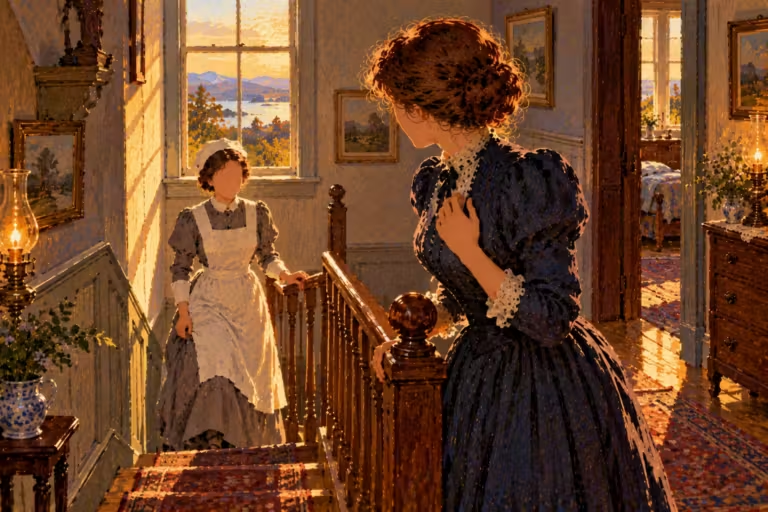
Rose Hervey
In 1888, in Tasmania, Rose Hervey saw her cousin Ethel coming up the stairs, dressed in gray, and she wrote it down in her diary. Ethel was ill with typhus in Dublin and died 32 hours later.
England, 1854
Andrew Jukes
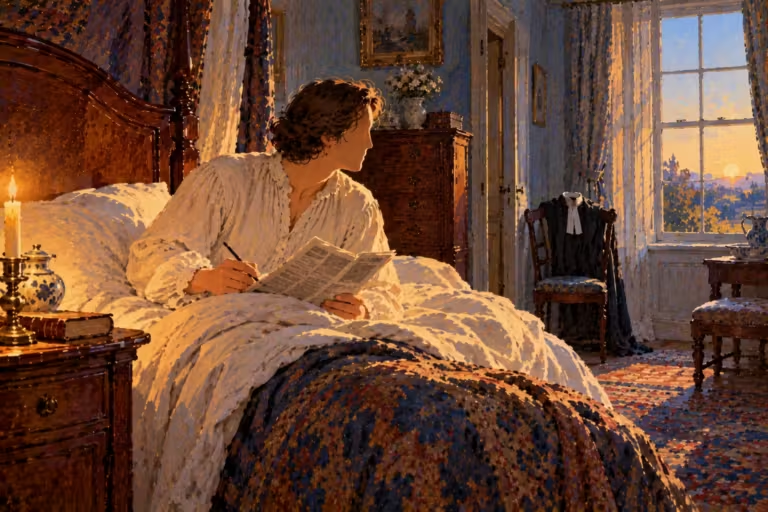
In 1854, the Reverend Andrew Jukes woke up hearing a voice that told him his brother and sister-in-law had died. He wrote it down. Both of them died of cholera in America over the following days.
England, 1908
The Rome Stock Exchange dream
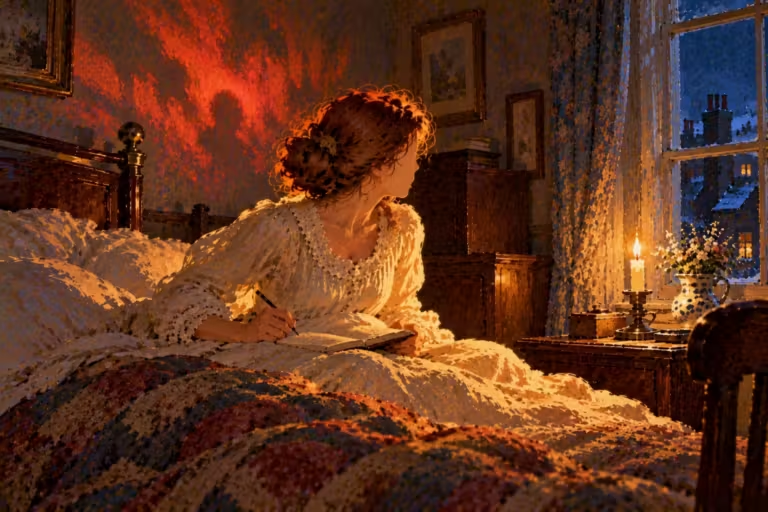
In the early hours of January 1, 1908, a woman wrote down a dream of injured people and blood. In the morning, the newspaper reported an explosion at the Rome Stock Exchange, with about twenty injured.

England, 1879
The captain’s voice
One morning in 1879, a woman heard the distressed voice of an old friend calling her, and she wrote it down in her diary. He died that same day in India.
Canada, 1873
Lady Dufferin’s footman
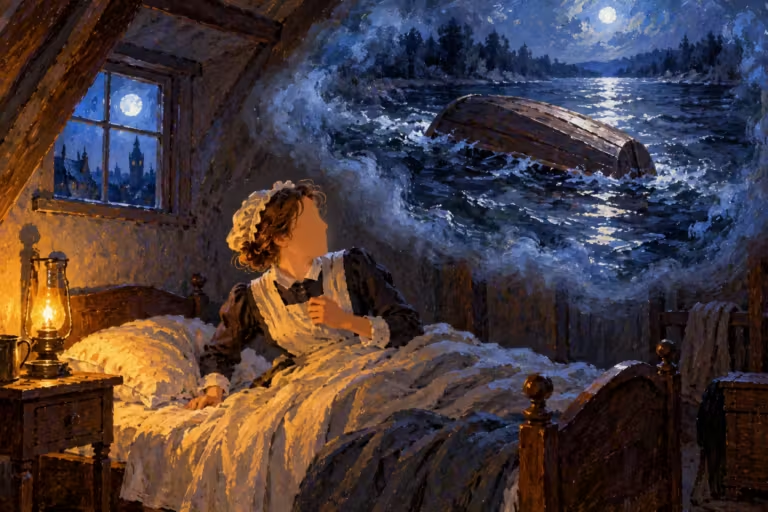
In 1873, a footman drowned on a remote river in Canada. Knowing nothing, his sweetheart wrote him a letter. She told him she had dreamed he was drowning. Lady Dufferin, the woman he worked for, copied that letter into her journal.
England, 1882
Mrs. Williams
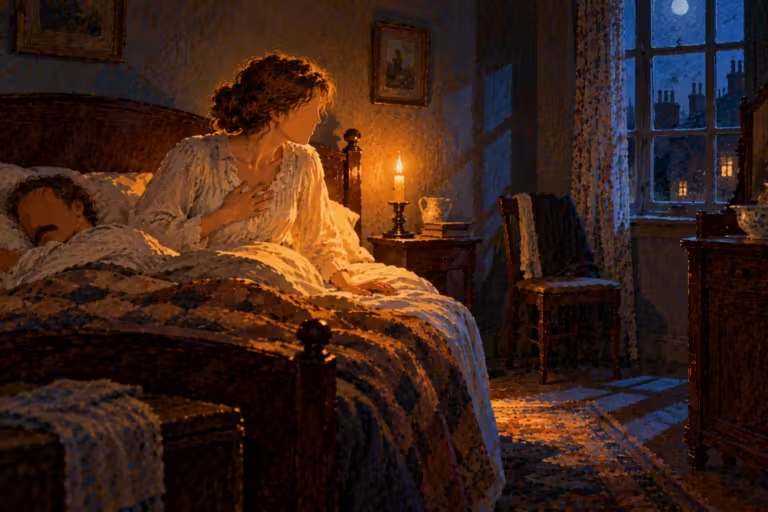
One night in 1882, Mrs. Williams dreamed that her uncle was asking her to come and see him, and then she saw him in a coffin. Seven weeks later she learned that her uncle had died that same night.
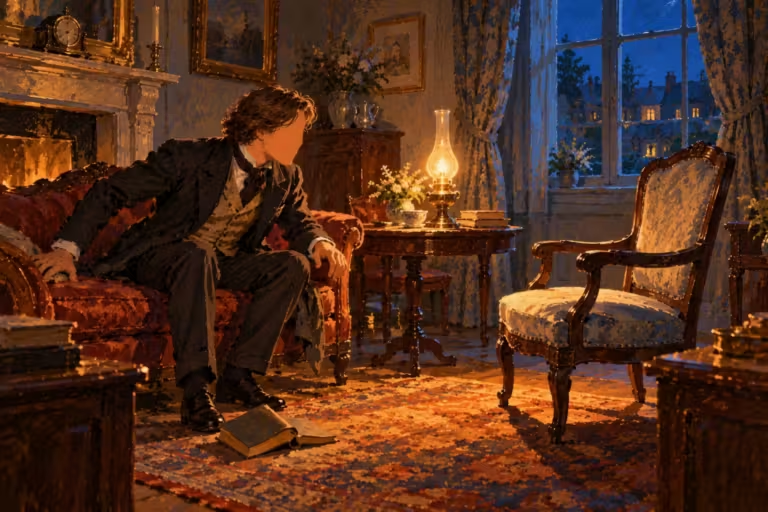
France and England, 1880
Frederick Wingfield
One night in 1880, in France, Frederick Wingfield dreamed that his brother was sitting in front of him, and he wrote it down in his notebook. Three days later he learned that his brother had died that night in England.
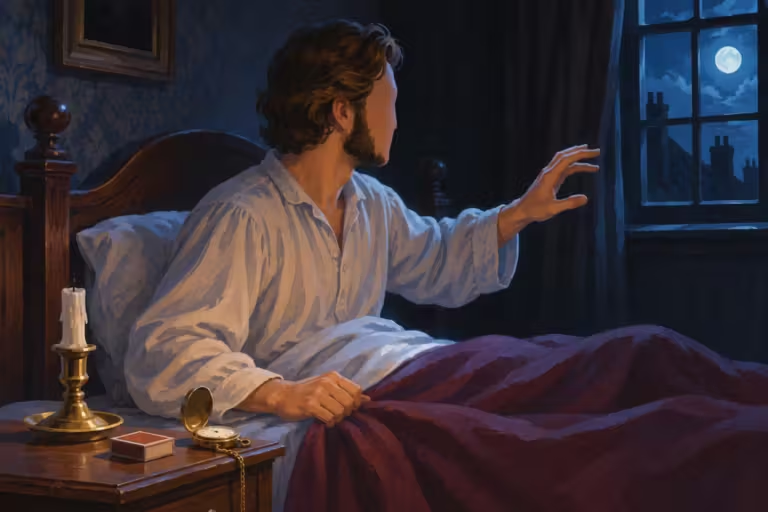
London, 1882
Bruce’s brother
On the night of April 10, 1882, a London man woke up sure that his friend Bruce’s father had died, and wrote it down with the time. Four days later he learned that Bruce’s brother had died, in China.
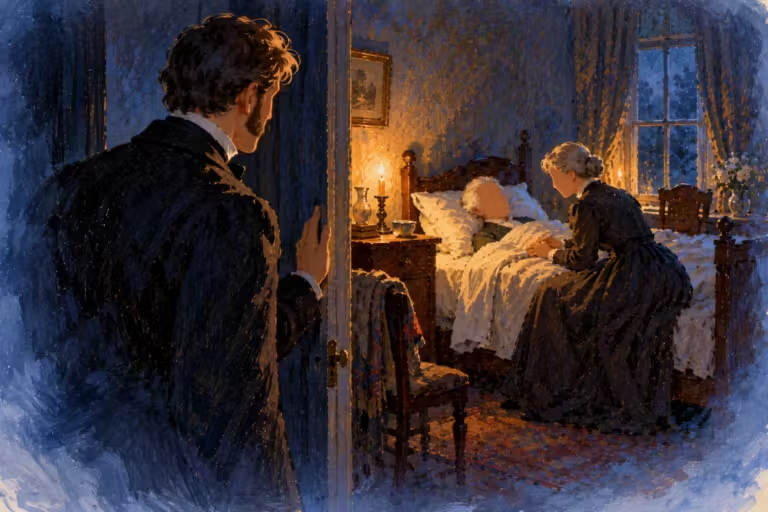
India, 1868
Vicary Boyle
In 1868, in India, Vicary Boyle dreamed of his father-in-law lying pale in a bed in Brighton and wrote it down in his diary. His father-in-law had died that same day, a few hours earlier.
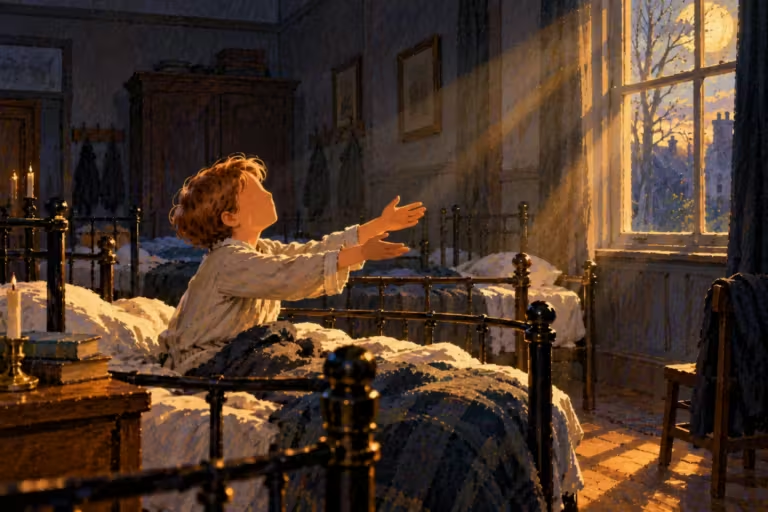
England, 1882
Young Tracy
A nine-year-old blind boy was living at a boarding school far from home. He dreamed that his mother had died on the same night she died suddenly. The letter came two days later.

England, 1885
Mrs. Humphry
She dreamed that someone told her, “Mr. John Jarvis is dead,” and told another servant. Five days later she learned that John Jarvis had died in the early hours of that same night.

England, 1875
Annie Harriss
Annie Harriss dreamed that her mother was dying and told a friend. An hour later the letter arrived: her mother had died the previous afternoon.
Iceland
Margret
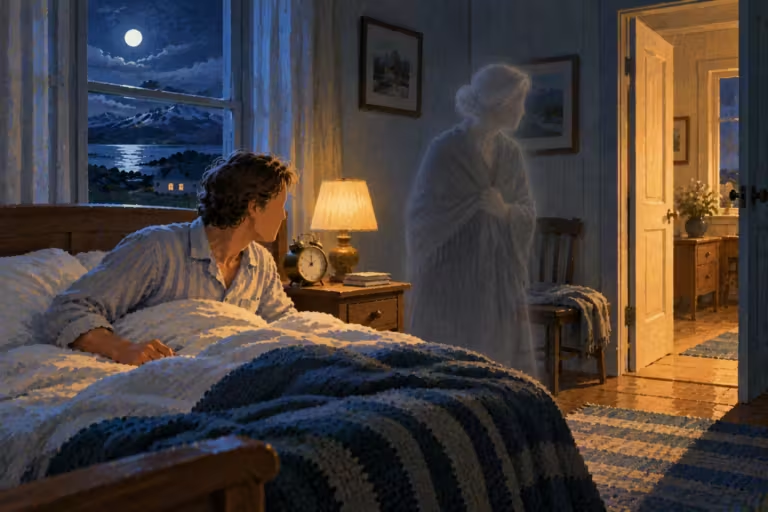
At night, a man felt a woman beside the bed who told him, “My name is Margret.” That night, the grandmother of the little girl he was fostering had died. The grandmother’s name was Margret.
Iceland, 1962
Jacob
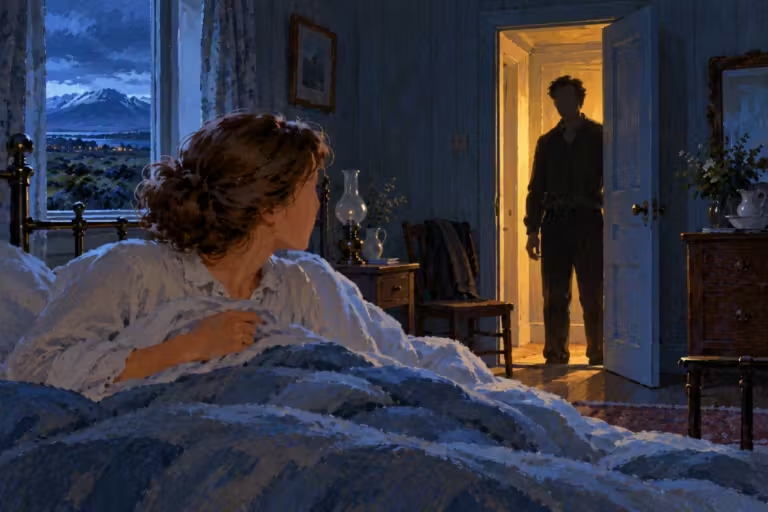
One night, a woman saw a patient in her doorway with his face covered with blood, and she woke her husband. In the morning she learned that the patient had taken his own life that night.

United States
Julie McFadden
A hospice nurse says goodbye to a dying patient and goes out to her car. There, she says, she hears his voice, full of joy. After about thirty seconds the voice fades, and just then she gets a message saying he has died.
What is a shared-death experience?
It is when a healthy person says they sensed someone else’s death just as it happened. Sometimes they are right there, at the bedside. Many other times they are far away and know nothing.
What they sense varies from one person to another:
- A dream in which that person dies or says goodbye.
- A voice calling them by name.
- A vision: they see the person in the doorway or in the room.
- A feeling, very strong, that something has happened to that person.
Later they learn that the person had died. In each story we check whether it really was at the same time. It is not a near-death experience, because the person who has it is not close to death.
Why they matter
In a near-death experience, the person is close to death, and their brain may be failing. So it is always possible to think that the experience is produced by that brain.
In a shared-death experience, that is not the case. The person who has it is healthy. That is why these cases matter for knowing whether the mind can sense something at a distance.
What can be checked
We ask each story the same five questions we ask of NDEs. The most important is this one: did the person describe what they experienced before the news of the death arrived?
If they described it afterward, it is easy for the memory to change without meaning to and fit what they already know. If they described it before, and someone confirms it, the coincidence is much harder to explain.
So far, none of the cases we have reviewed has something written before the news that someone saw at the time. What there is are witnesses who heard it beforehand and confirm it afterward.