
A real-life story · England, 1875
Annie Harriss’s shared-death experience
In September 1875, Annie Harriss was away from home. One night she dreamed that her mother was dying. In the morning she told a friend. An hour later her father’s letter arrived. It said her mother had died the previous afternoon.
Annie’s story is one of the best cases that some researchers in London gathered in 1886. A friend who wasn’t family confirms that Annie told her about the dream before the news arrived. How could she have known?
Step 1
August 1875 · Annie’s account
Annie leaves home because her mother is better than ever

Annie Harriss was an English girl who was still at school. Her mother had been in poor health for years.
That summer, her mother was better than she had been in a long time. That is why Annie left home, about six weeks before what happened next.
Annie wasn’t expecting any bad news.
Step 2
September 23, 1875 · Annie’s account
Two days before, a letter from her mother says she is well

Two days before, Annie got a letter from her mother. Her mother was in good health and good spirits.
Nothing in the letter hinted at what was about to happen.
Step 3
September 25, 1875, in the afternoon · At her parents’ home
Annie’s mother dies suddenly, at around a quarter to four
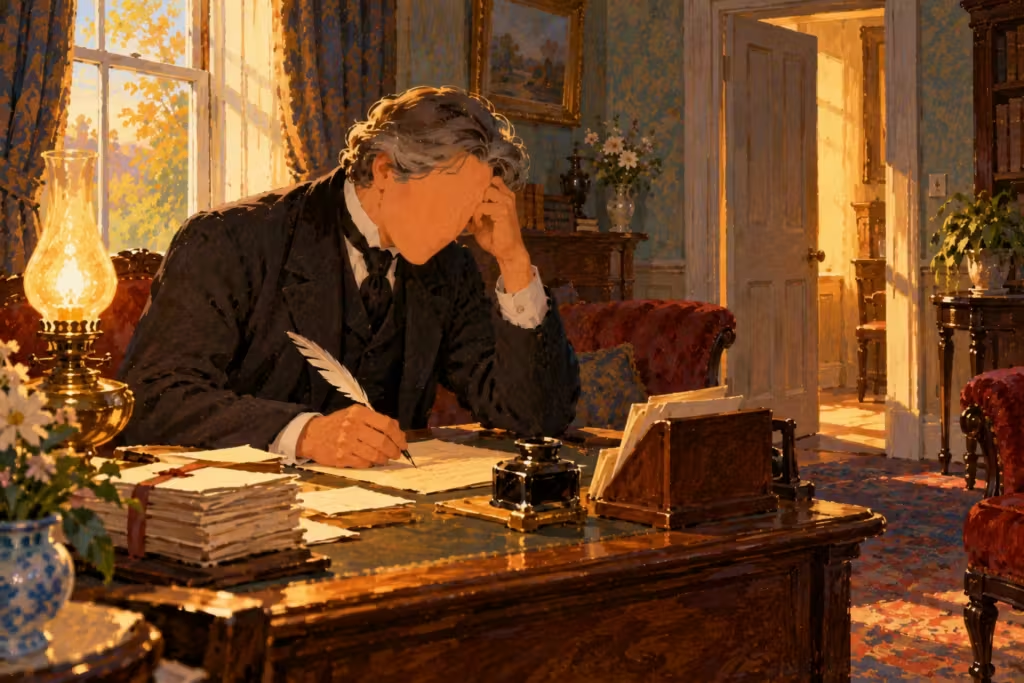
Annie’s mother died suddenly, of heart disease. That same day, her father wrote her a letter. This is what it said:
“You will be much surprised that your dear mamma passed away this afternoon about 3.45, so gently that we could not believe that she was really gone.”
The letter would take a day to arrive. Annie still knew nothing.
Step 4
That same afternoon · Annie’s account
Annie says that, while walking in the country, she heard her name called several times

That afternoon, Annie had gone out for a long walk in the country with her friend Edith Darwin. She wandered off for a moment to pick flowers.
Then she clearly heard someone calling her, several times. She felt that something bad was coming. Without knowing why, she looked at her watch. It was half past four.
She asked Edith why she had called her. Edith hadn’t called her.
Edith remembers the scene. According to the researchers, the voice didn’t make Annie think of her mother.
Step 5
The night of September 25 to 26 · Annie’s account
Annie says that night she dreamed her mother was dying
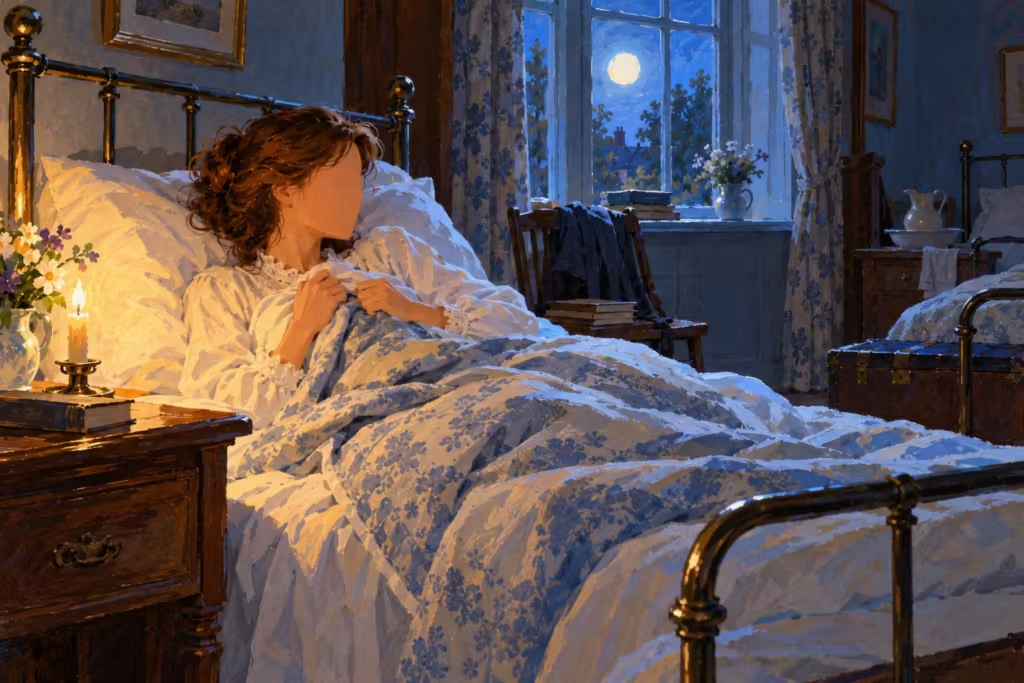
That night, Annie dreamed of her mother’s death. She saw her dying.
It was a very vivid, distressing dream. Years later, Annie said it was the only dream of death she ever had, and that she never heard voices again.
In the morning, she told her friend.
Step 6
September 26, in the morning · Edith Darwin’s account
Edith Darwin says Annie came down very upset and told them about the dream
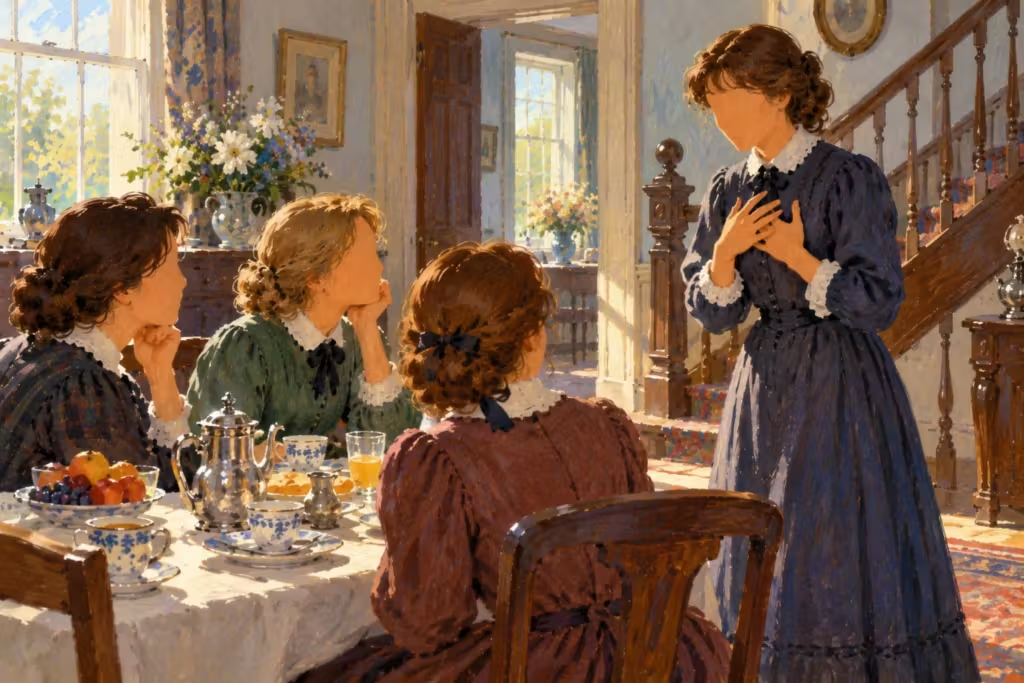
Edith Darwin remembers that one morning Annie came downstairs very upset. She told Edith and the others that she had had a very vivid dream. In the dream she had seen her mother lying dead.
Edith wasn’t part of Annie’s family. That is why her account matters.
Step 7
An hour later · Edith Darwin’s account
An hour later, the mail arrives with the news
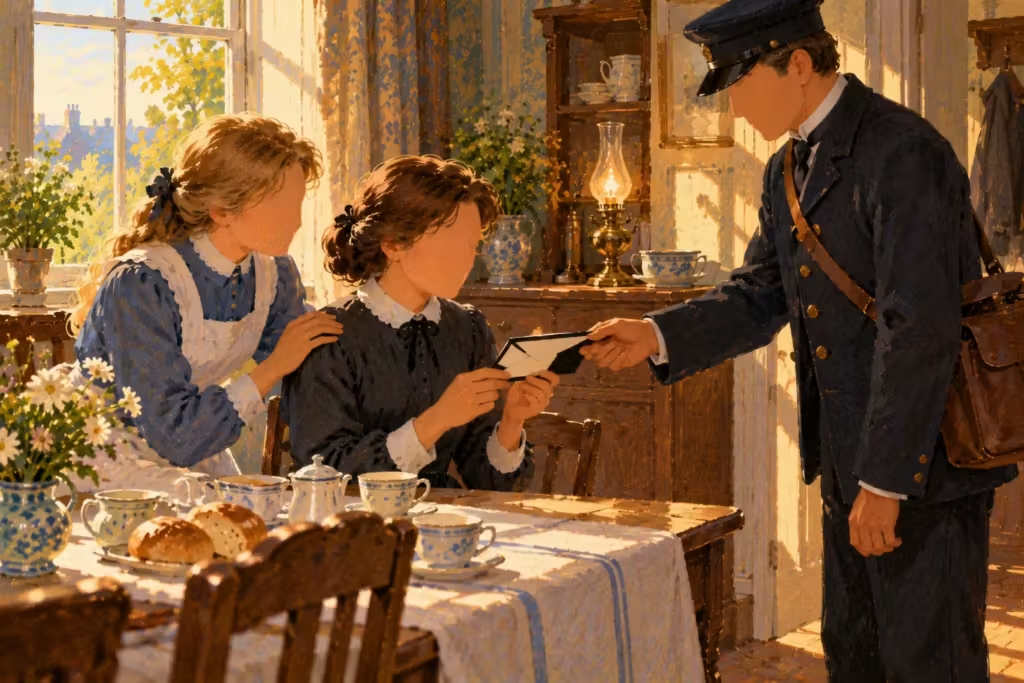
An hour after Annie told them about the dream, the mail arrived. It brought the news of her mother’s death.
Annie says the time of death was given in the letter and also in a telegram. No one knows when the telegram arrived.
If the telegram had arrived the afternoon before, Annie would have known the news before the dream. No one says so, but it can’t be ruled out either.
Step 8
1884 · The researchers ask
Nine years later, Annie and Edith put it in writing

In 1884, some researchers in London were looking for cases like this. Annie wrote to them in January. Edith Darwin wrote to them in July. Edmund Gurney, one of the researchers, copied out her father’s letter.
The two versions don’t fully match:
- The voice. Annie says she heard it at the exact time of the death. But her watch said half past four, and her mother died at around a quarter to four. Gurney called it an “exaggeration of correctness.”
- The death. Edith remembers that the mother was taken ill that afternoon and died at about the time of the dream. The father’s letter says she died in the afternoon.
The two versions do agree on what matters. Annie told the dream before the mail arrived.
Step 9
1886 · The book
Annie’s case goes into the list of 24 dreams in “Phantasms of the Living”
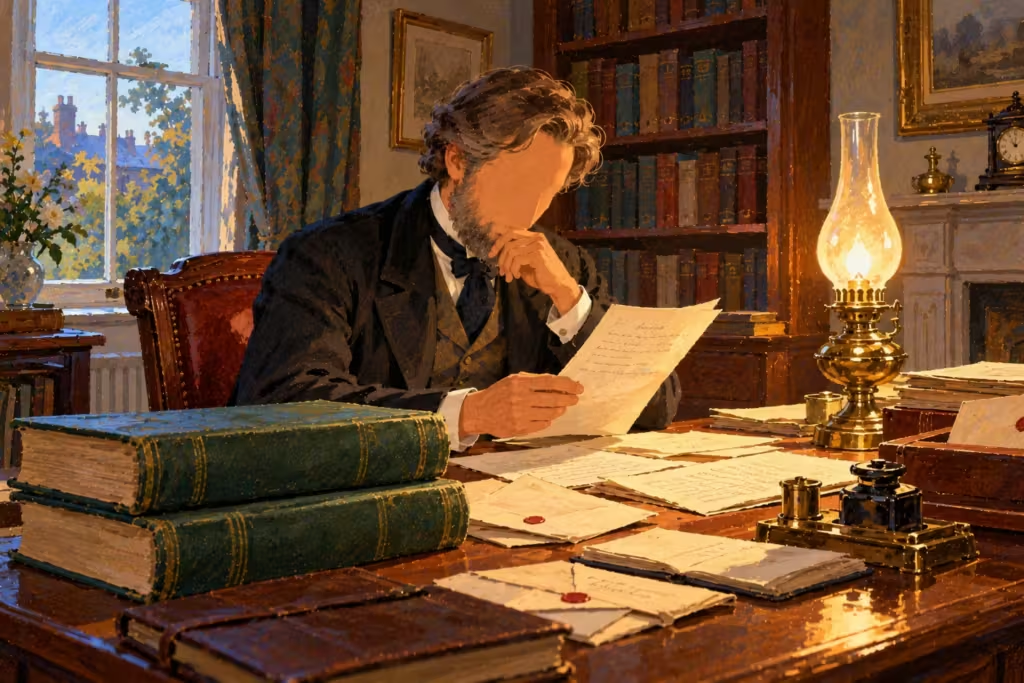
In 1886, Gurney and his colleagues published the book Phantasms of the Living. The book brings together 24 dreams of death that people had less than 12 hours from the death. Annie’s case is one of them.
Gurney proposed an explanation. In his view, something reached Annie in a vague form right after her mother died, like a voice she didn’t recognize. That night, in the dream, it took clear shape.
On the page about the study, we explain how those 24 dreams were gathered and what can be checked about them.
The question remains: how did Annie know, that night, that her mother had died?
Where this story comes from
Books
- Edmund Gurney, Frederic Myers, and Frank Podmore, Phantasms of the Living, vol. 2 (Trübner, London, 1886), case 283, pages 117 and 118, in the public domainRead for free
Case documents
- Annie Harriss’s account, dated January 25, 1884, with her answers to the researchers’ questions, in the book
- The letter from her father, J. H. Harriss, dated September 25, 1875, copied out by Edmund Gurney, in the book
- Edith Darwin’s letter, dated July 12, 1884, in the book
Learn more
- The 24 dreams in “Phantasms of the Living”: how they were gathered and what can be checkedRead
- More shared-death experiencesRead
Our archive
- Our reading of the case in the original book and its score on our five criteria, as of October 21, 2026
Keep reading
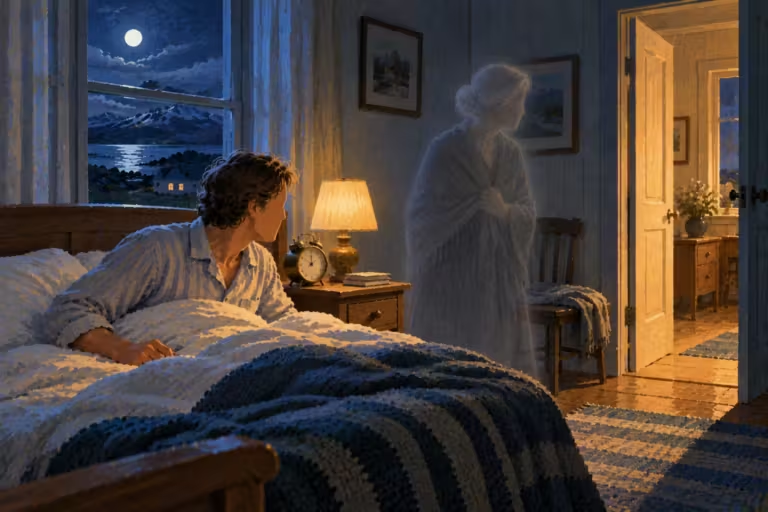
Iceland
Margret
At night, a man felt a woman beside the bed who told him, “My name is Margret.” That night, the grandmother of the little girl he was fostering had died. The grandmother’s name was Margret.
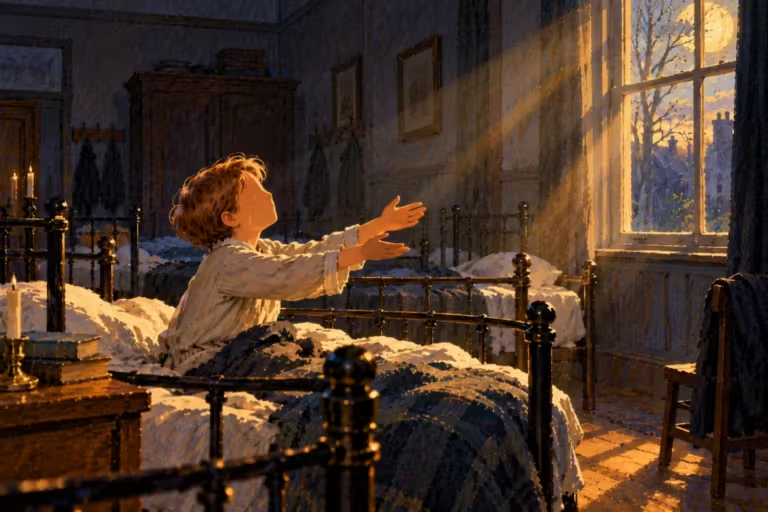
England, 1882
Young Tracy
A nine-year-old blind boy was living at a boarding school far from home. He dreamed that his mother had died on the same night she died suddenly. The letter came two days later.
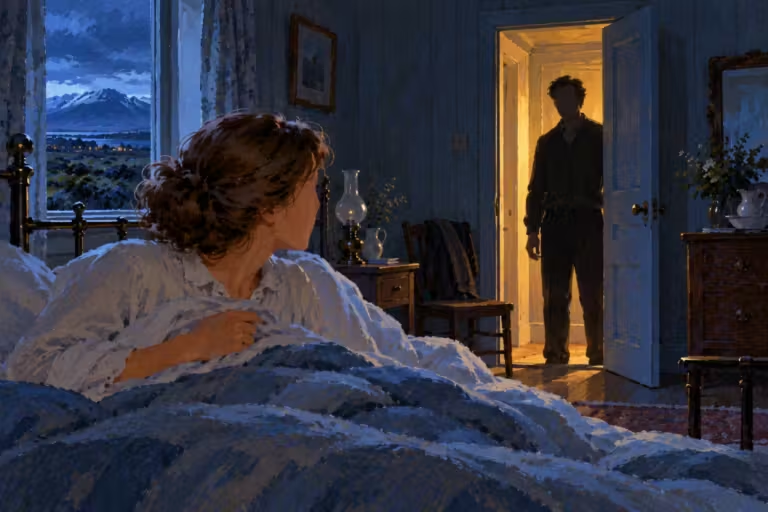
Iceland, 1962
Jacob
One night, a woman saw a patient in her doorway with his face covered with blood, and she woke her husband. In the morning she learned that the patient had taken his own life that night.

Reincarnation: The top 5 people who remember past lives
We asked them the same five questions as this story. A 32-page PDF, free in your inbox.
Check your email
We have sent you an email. Open it and press the button to confirm. If you cannot see it, check your spam folder.