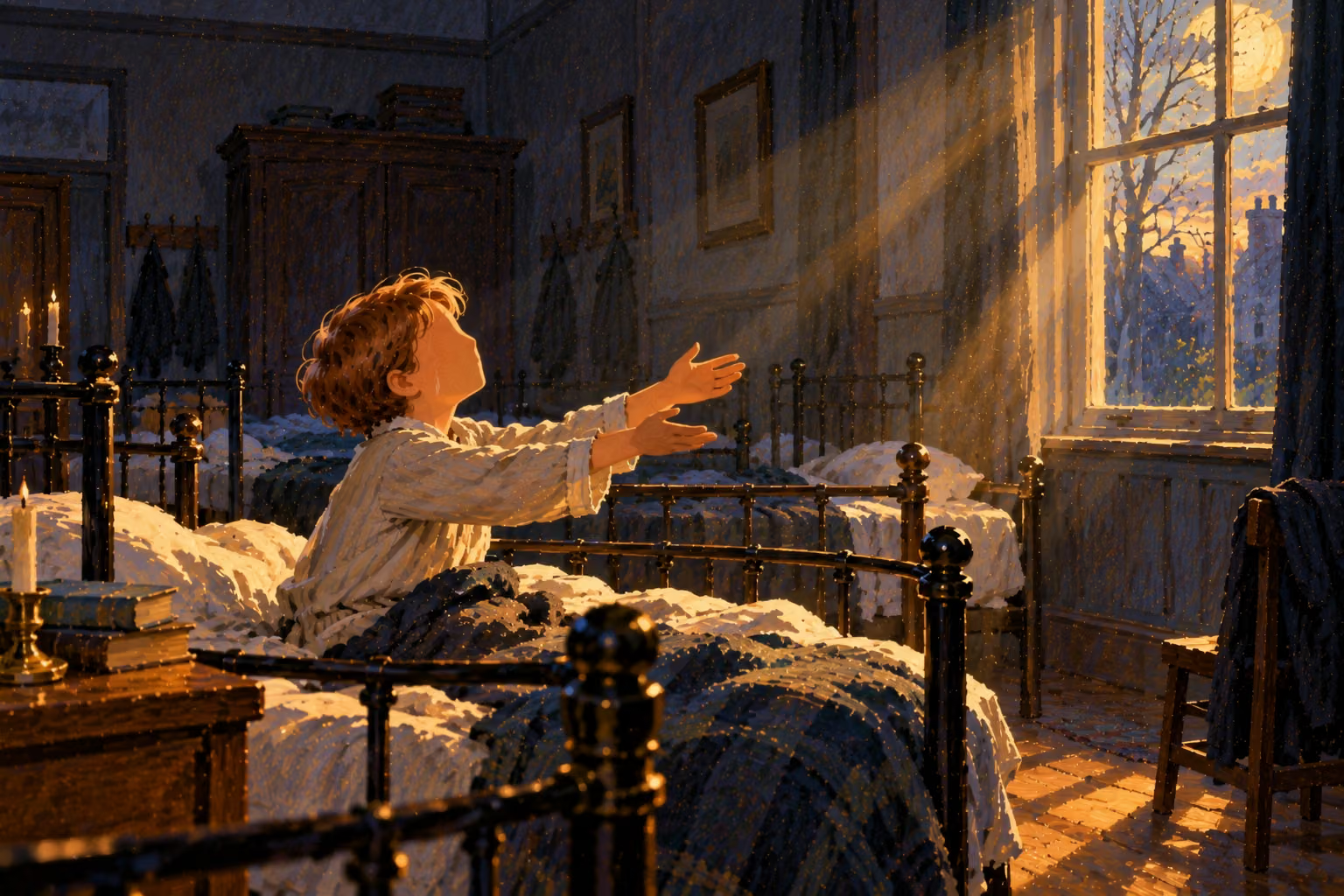
A real-life story · England, 1882
The blind boy who dreamed of his mother’s death: a shared-death experience
In February 1882, a nine-year-old blind boy was a boarder at a school in Worcester, far from home. On the night his mother died suddenly, the boy dreamed that she had died. The letter with the news reached the school two days later.
It is one of the three cases in “Phantasms of the Living” with witnesses from outside the family. A schoolmate and the headmaster say the boy told his dream before the news arrived. But the three accounts we have don’t tell the same story. What happened that night?
Step 1
1882 · Worcester · His sister’s account
A nine-year-old blind boy boards at a school for the blind
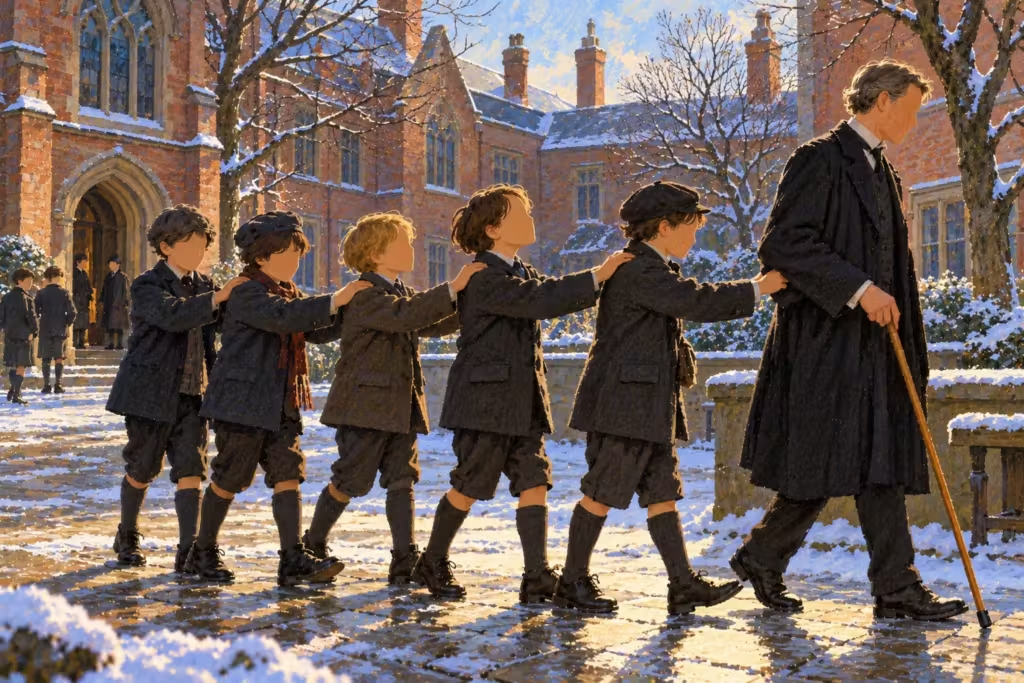
The boy, Tracy, was blind and nine years old. He was a boarder at the school for the blind in Worcester, in the west of England.
His family lived in Beccles, in the east, more than 250 kilometers away.
His sister says that “he always speaks of seeing people, though quite blind.”
Step 2
The afternoon of Saturday, February 11, 1882 · Beccles · His sister’s account
His mother complains of a headache and dies that same night
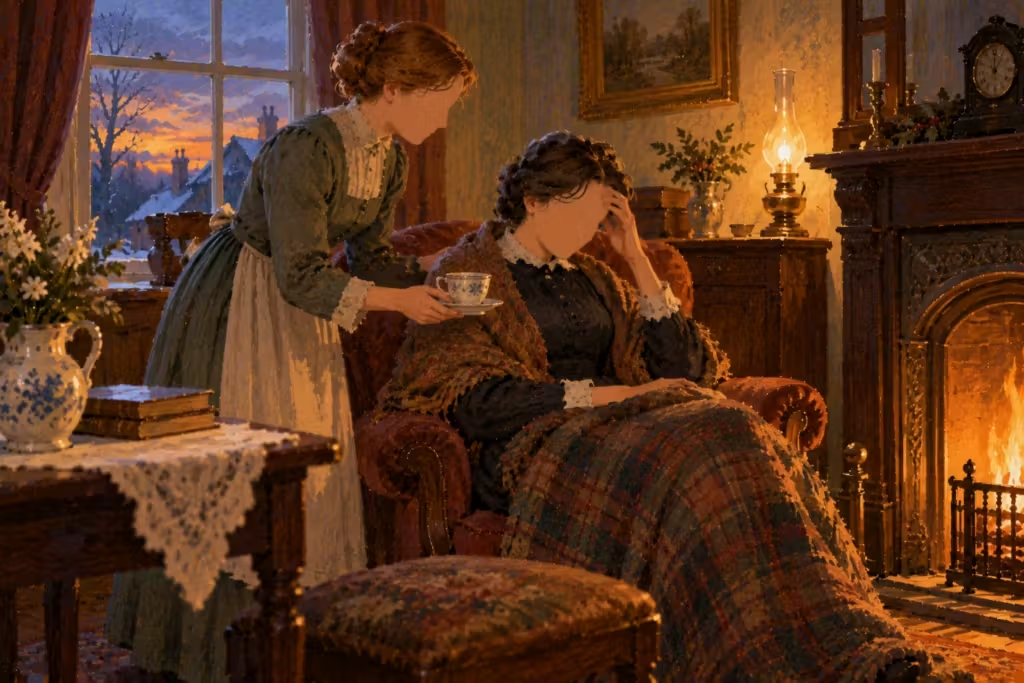
At about five in the afternoon, his mother complained of a slight headache. Then she lost consciousness.
She died between eight and eight thirty. In the shock of the moment, no one looked at the exact time.
The newspaper The Times published her obituary. The obituary confirms the date and that the death was sudden.
Step 3
That night, at the school · His sister’s account
His sister says a master found him crying: his mother had come to say goodbye
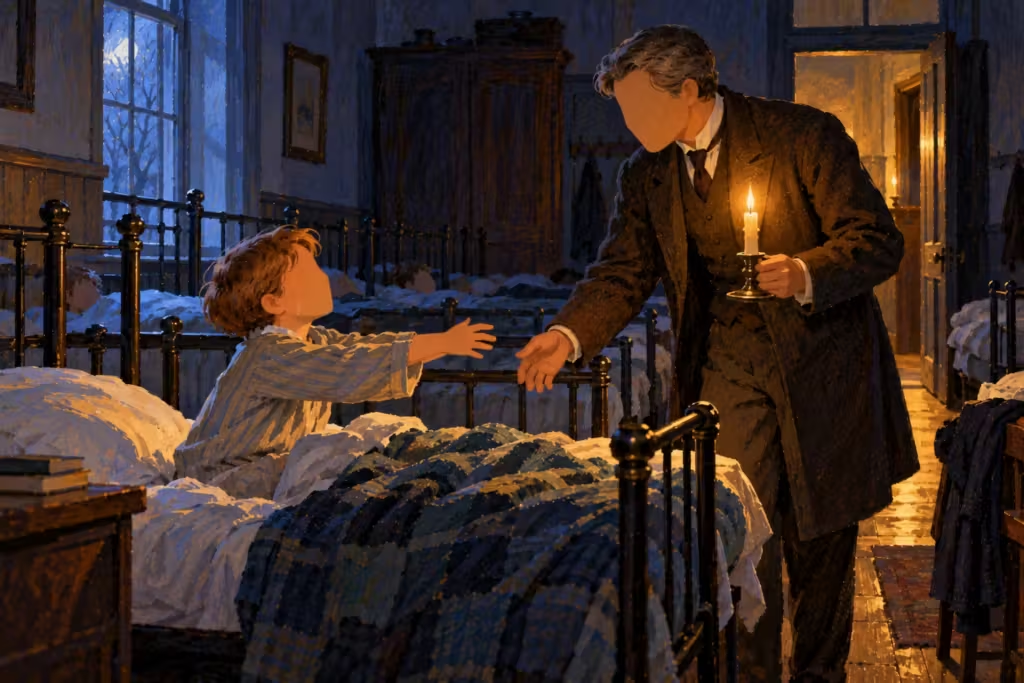
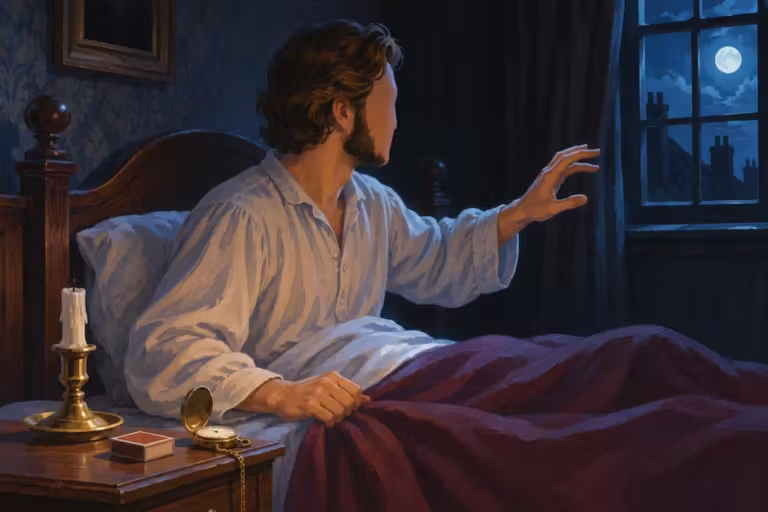
His sister tells what she was told. That night, the boy went to bed as usual. Later, a master went into the dormitory and heard a boy crying. It was him.
The boy told him that “his mother had come to him to say good-bye, as she was going away.” He said he had tried to hold her, but she had slipped away from him.
It took quite a while to calm him down.
Step 4
That night, at the school · The headmaster’s account
The headmaster says the boy dreamed his mother had died and was being buried at the school
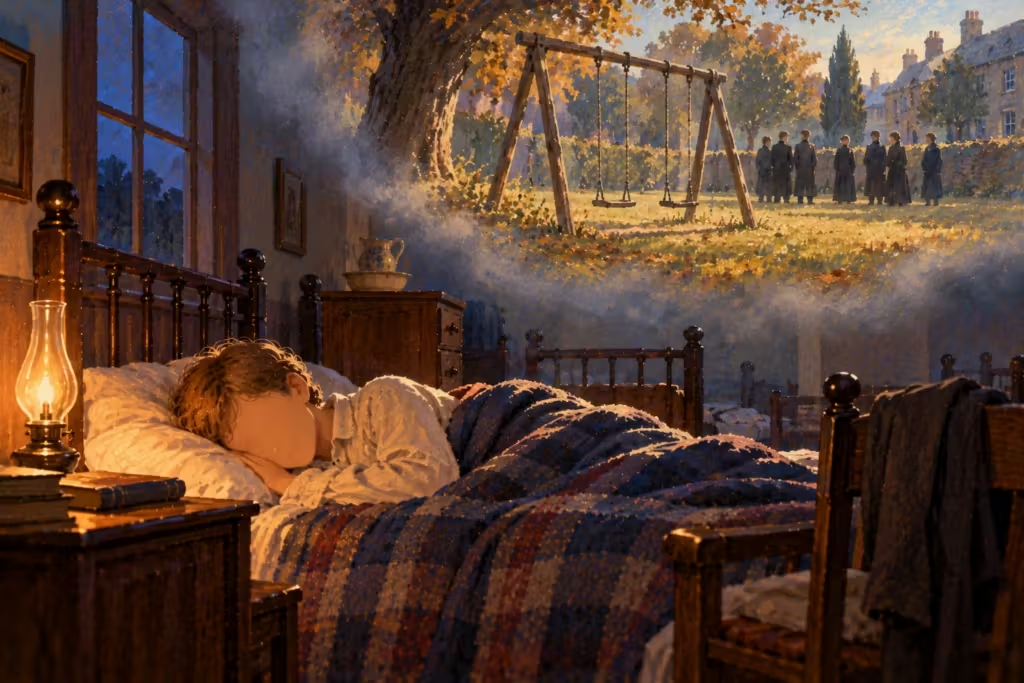
The headmaster of the school, the Rev. S. G. Forster, gives another version. He got it from the boy himself.
According to the headmaster, that night the boy dreamed that his mother was dead and “was being buried in part of our old place called The Swings.” He didn’t wake up until seven in the morning.
The two versions don’t fit together. In one, the boy was crying that night. In the other, he slept until morning.
Step 5
Sunday, February 12, in the morning · His schoolmate’s account
In the morning he tells a schoolmate: his mother has died
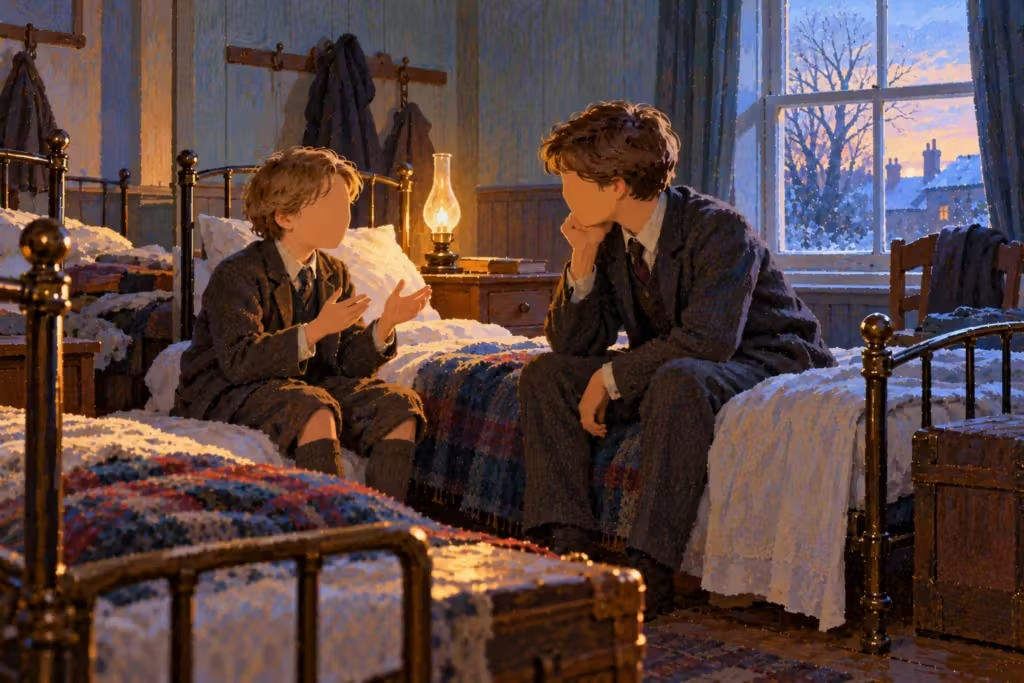
A schoolmate, L. G. Sandford, remembers the boy telling him the dream the next morning. According to Sandford, the dream was simply that his mother had died, “mixed up with all the inconsistencies and absurdities common to dreams.”
The headmaster says “we all knew of it, and that the dream was described before the fact was known.”
On the other hand, his sister says the boy didn’t talk about the dream the next morning.
Step 6
Monday, February 13, 1882 · The headmaster’s account
On Monday, the letter with the news reaches the school
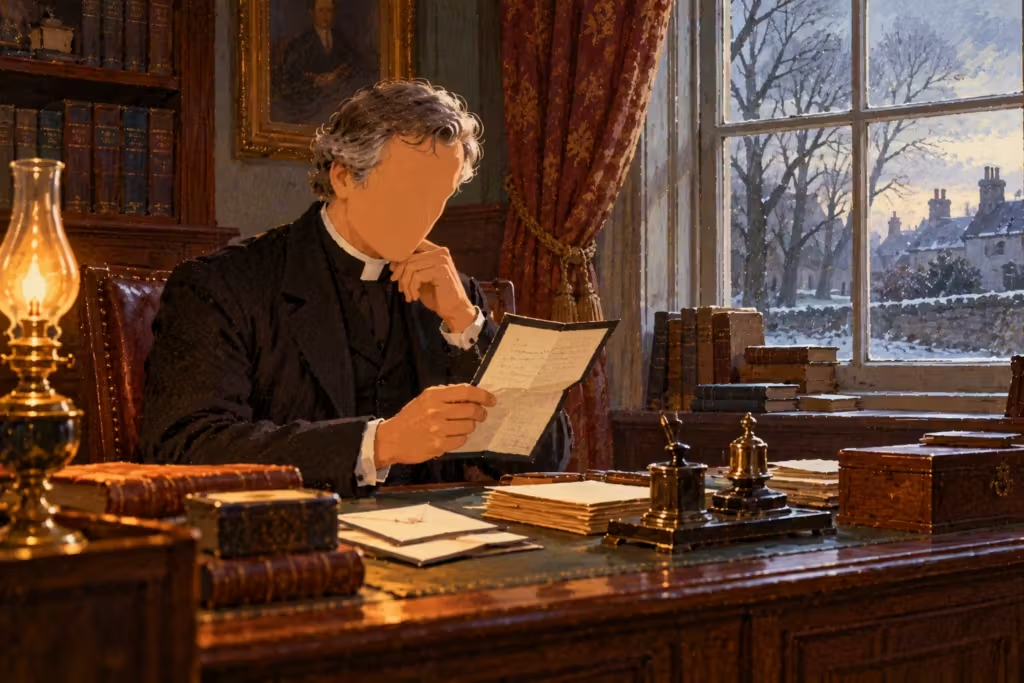
The family, in shock and grief, didn’t write right away. In the headmaster’s words: “Owing to the surprise and trouble at home, we did not hear of it by letter till the Monday after.”
If the boy told his dream on Sunday, it was before anyone at the school knew anything.
Step 7
December 1885 to February 1886 · The researchers ask
Almost four years later, the sister, the headmaster, and the schoolmate put it in writing
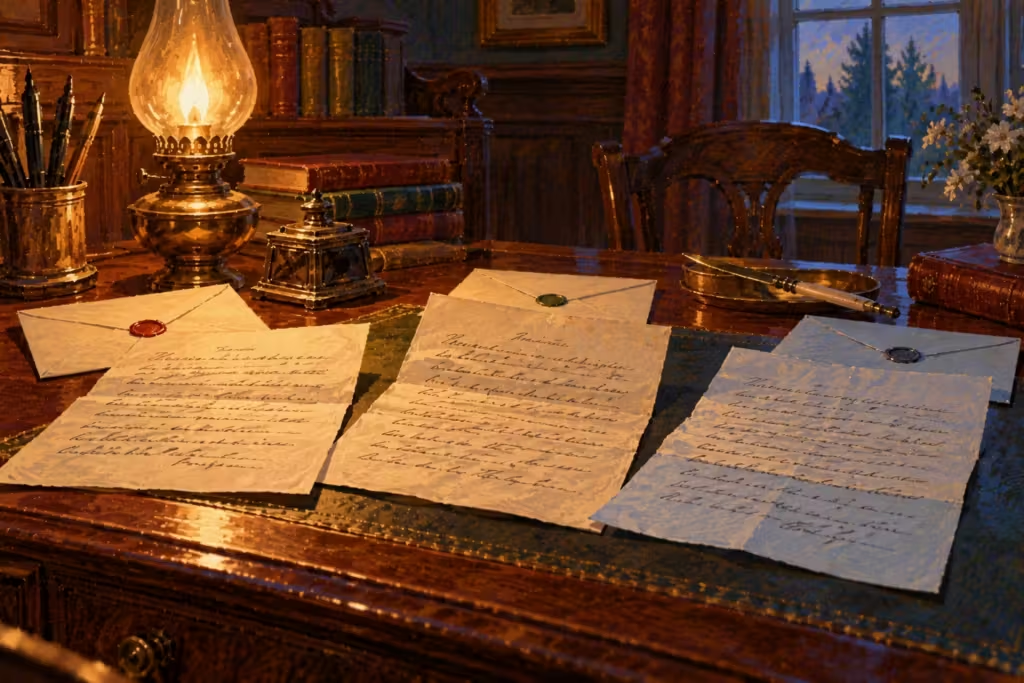
The London researchers who were gathering these cases wrote to the family and to the school. The three witnesses answered in writing, almost four years later.
- The sister tells what she was told, and says the family would rather not remind the boy of it.
- The headmaster doesn’t remember whom the boy told, but states that it was told before the news.
- The schoolmate heard it himself. But he believes the mother died on the same day the boy told him, the Sunday, and that is not the case.
No written statement by the boy survives. The headmaster says the boy himself told him the dream. Everything else comes through other people.
Step 8
1886 · The book
The boy’s dream goes into the list of 24 dreams in “Phantasms of the Living”

In 1886, Edmund Gurney and his colleagues published the book Phantasms of the Living. In the book, Gurney analyzes 24 dreams about a death that happened less than 12 hours from that death. The Tracy boy’s dream is one of them.
On the page about the study we explain how those 24 dreams were gathered and what can be checked about them.
The question remains: how did a boy more than 250 kilometers away know that his mother had died that night?
Where this story comes from
Books
- Edmund Gurney, Frederic Myers, and Frank Podmore, Phantasms of the Living, vol. 2 (Trübner, London, 1886), case 452, pages 419 and 420, in the public domainRead for free
Case documents
- The sister’s letter, dated December 1885, in the book
- The letters from the headmaster of the Blind College in Worcester, the Rev. S. G. Forster, dated December 17, 1885, and January 5, 1886, in the book
- The schoolmate’s letter, from L. G. Sandford, dated February 12, 1886, in the book
- The mother’s obituary in The Times, checked by the researchers
Learn more
- The 24 dreams in “Phantasms of the Living”: how they were gathered and what can be checkedRead
- Annie Harriss: a dream of her mother’s death, another of the six clear casesRead
- More shared-death experiencesRead
Our archive
- Our reading of the case in the original book and its score on our five criteria, as of October 21, 2026
Keep reading

England, 1885
Mrs. Humphry
She dreamed that someone told her, “Mr. John Jarvis is dead,” and told another servant. Five days later she learned that John Jarvis had died in the early hours of that same night.

England, 1875
Annie Harriss
Annie Harriss dreamed that her mother was dying and told a friend. An hour later the letter arrived: her mother had died the previous afternoon.
London, 1882
Bruce’s brother
On the night of April 10, 1882, a London man woke up sure that his friend Bruce’s father had died, and wrote it down with the time. Four days later he learned that Bruce’s brother had died, in China.

Reincarnation: The top 5 people who remember past lives
We asked them the same five questions as this story. A 32-page PDF, free in your inbox.
Check your email
We have sent you an email. Open it and press the button to confirm. If you cannot see it, check your spam folder.