A real-life story · Seattle, United States, 1973
Betty Eadie’s near-death experience
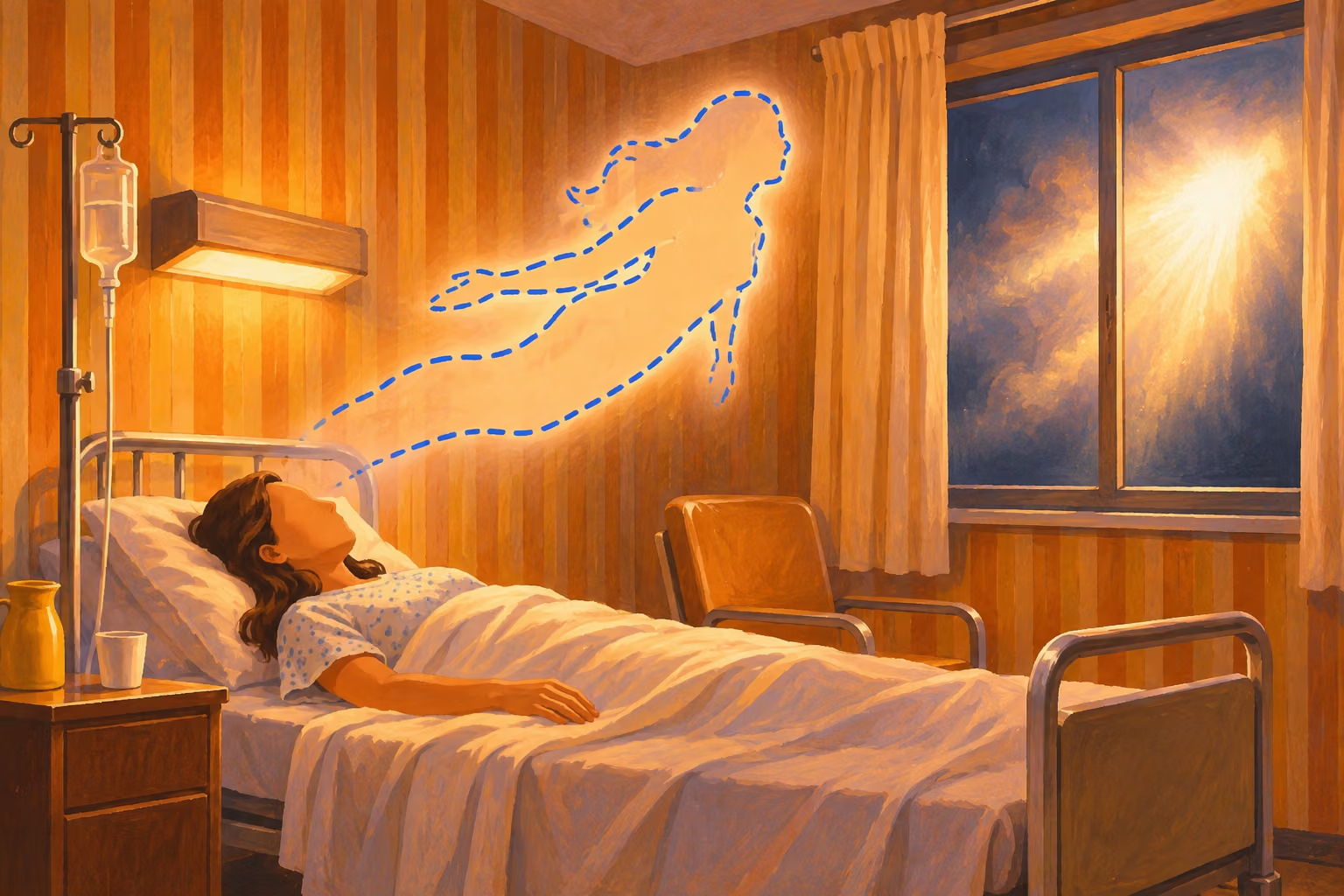
In November 1973, Betty Eadie was a mother of seven who had just had surgery. That night, alone in her hospital room, she felt herself dying. She later said that she left her body, that she went to see her family at home, and that she then reached a light.
Betty told her story in 1992, in a book called Embraced by the Light. In October 1993 it was number one on the New York Times best-seller list. We tell it step by step, the way she wrote it. At the end we look at what can be checked. What did she go through that night?
Step 1
Before · November 18, 1973, afternoon · Doing fine · Betty’s account
A mother of seven goes into the hospital for surgery
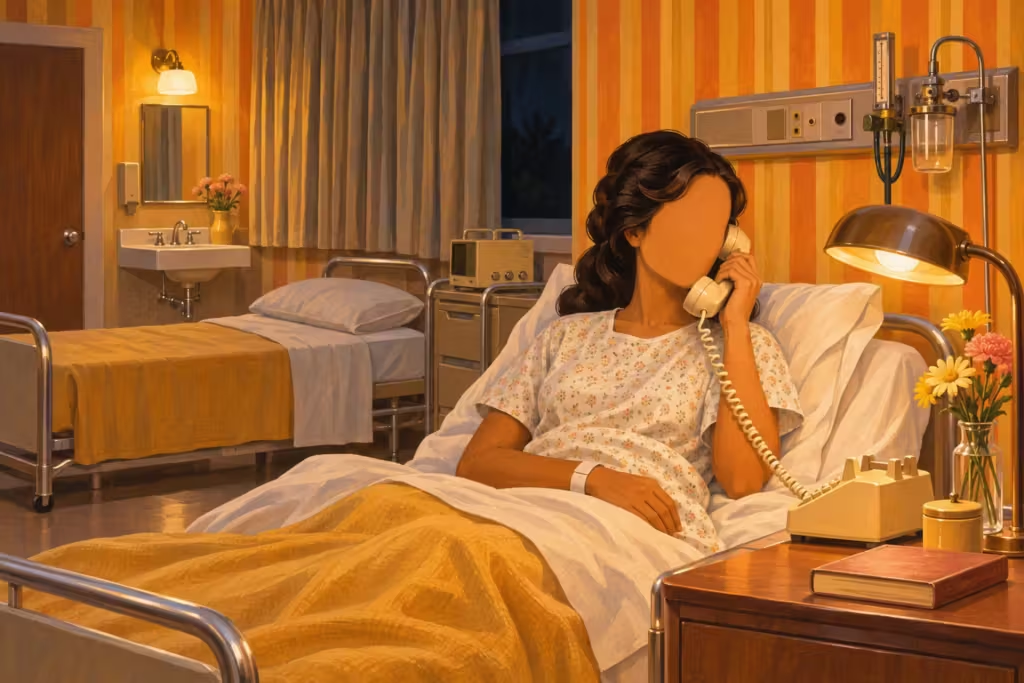
Betty Eadie is 31. She lives near Seattle, in the United States, with her husband, Joe, and six of their children. She had seven. A daughter died at three months old, of sudden infant death syndrome.
She checks into a hospital in her city for a hysterectomy. It is an operation to remove part of her uterus. Her doctor recommended it, because she has had problems since her last pregnancy. Joe has taken a few days off work to be with her.
That night she is alone in her room. She calls home and spends half an hour saying good night to each child. When she hangs up, the darkness of the room weighs on her. She starts to think about death.
Step 2
Around 1946 and the years after · Betty’s account
As a child, she is taught that God will punish her
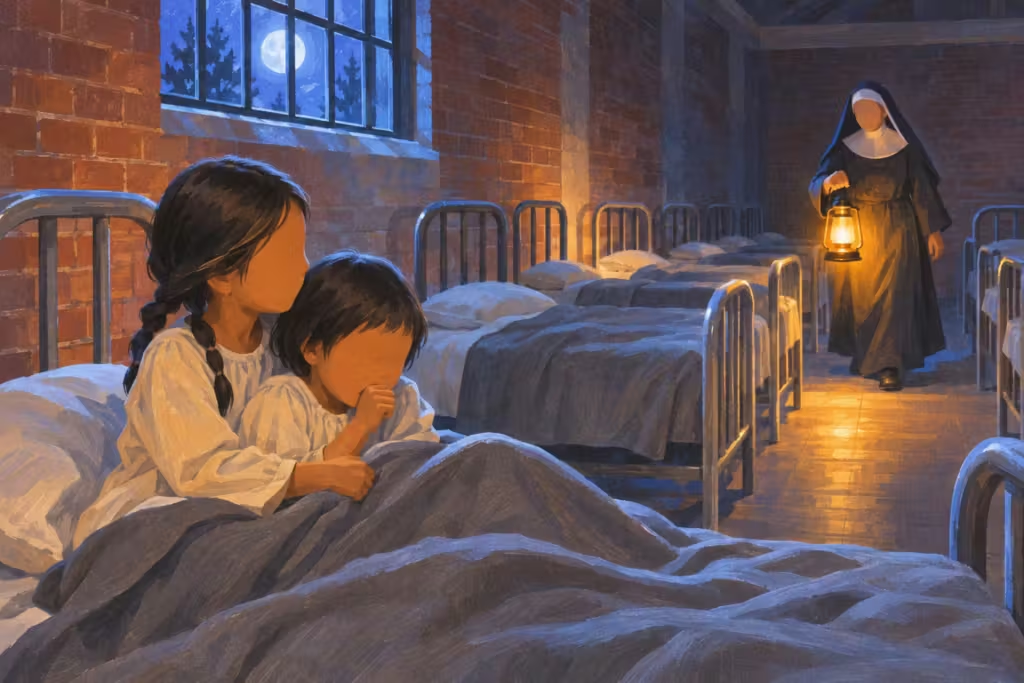
Betty was born in Nebraska in 1942. Her mother was Sioux, and her father was of Scottish and Irish descent. When she was 4, her parents separated. She and five of her brothers and sisters were sent to a Catholic boarding school for Native American children.
That first winter she came down with whooping cough and double pneumonia. She says she heard the doctor say: “It’s too late. We’ve lost her.” She says she then found herself in the arms of a man with a white beard that shone. Afterward, a nurse cried out that she was breathing again.
At the school, the children were taught that Indians were pagans and sinners. Betty grew up afraid of an angry God who would send her to hell. Later she went through several churches, Methodist, Lutheran, and Baptist, and she never lost that fear.
That night in 1973, alone in the hospital, she wonders what awaits her if she dies during the operation. In the end, she takes some sleeping pills.
Step 3
November 19, 1973, at night · Just after surgery · Betty’s account
She has her operation, and that night she feels weaker and weaker
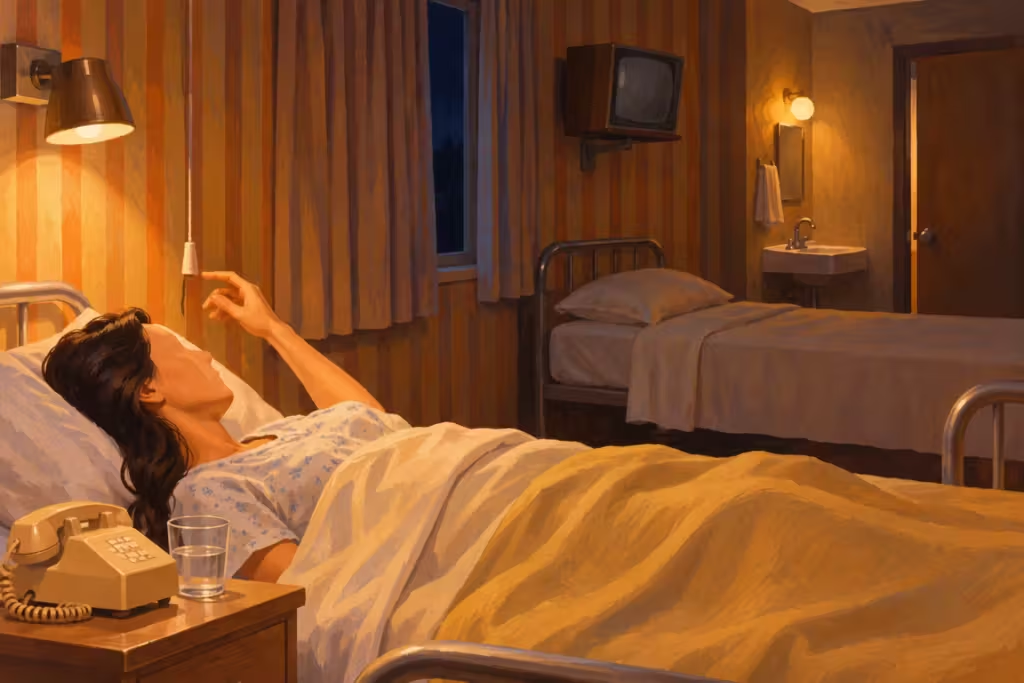
She has the operation at noon. In the afternoon, her doctor tells her everything went well. That night she wakes up alone. It is a double room, but the other bed is empty. Next to her bed there is a large window. She asked for it because she has been claustrophobic since she was a child.
At nine, a nurse brings her medication. Around nine-thirty she feels dizzy and has an urge to call Joe. She calls him, but afterward she can’t remember the conversation. She is chilled to the bone and feels weaker than ever.
She tries to pull the cord to call the nurse, but she can’t move. She says it felt as if the last drops of blood were being drained from her. No one is with her.
Step 4
Around nine-thirty at night · Alone in her room · Betty’s account
Betty says she leaves her body and sees it in the bed
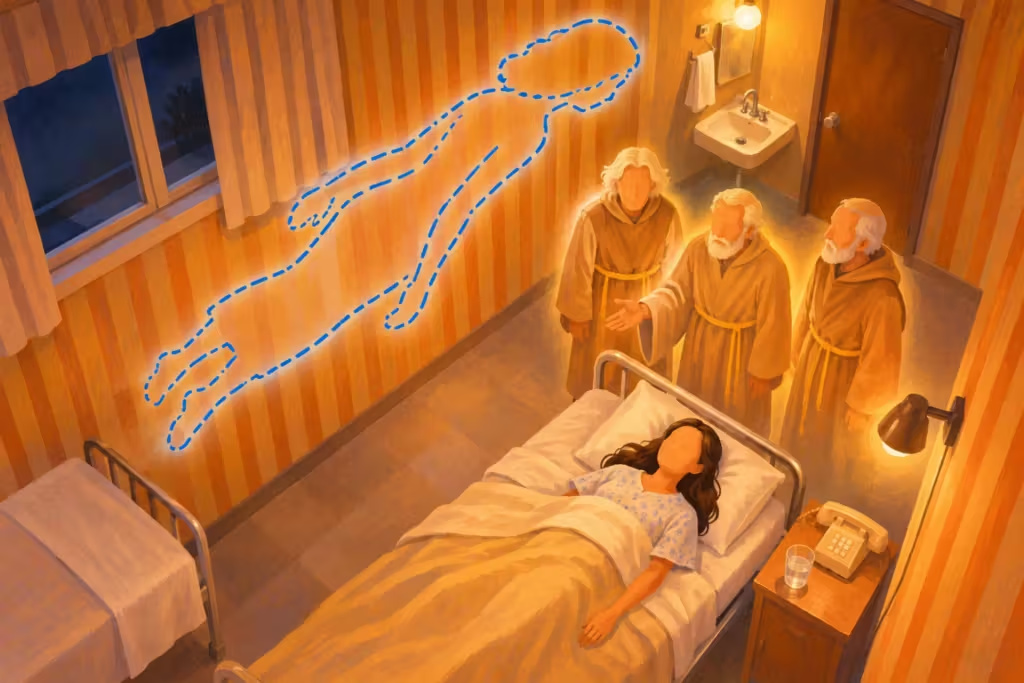
She feels a surge of energy. Something pulls her upward from her chest, like a giant magnet. Suddenly she is floating near the ceiling, and she feels free. Nothing hurts anymore.
Below, in the bed, there is a body. She goes down to look at it closely. Betty had worked as a practical nurse and knew what a dead body looks like. She says that body was lifeless and that it was hers. She feels no fear, only a little sorry for it.
Then three men appear beside her. They wear light brown robes with a belt of gold cord. They look old. She calls them “monks.” They tell her she has died before her time and that she shouldn’t worry. All Betty can think about is her family.
Step 5
That night · Out of her body · Betty’s account
Betty says she goes home and sees Joe and the children
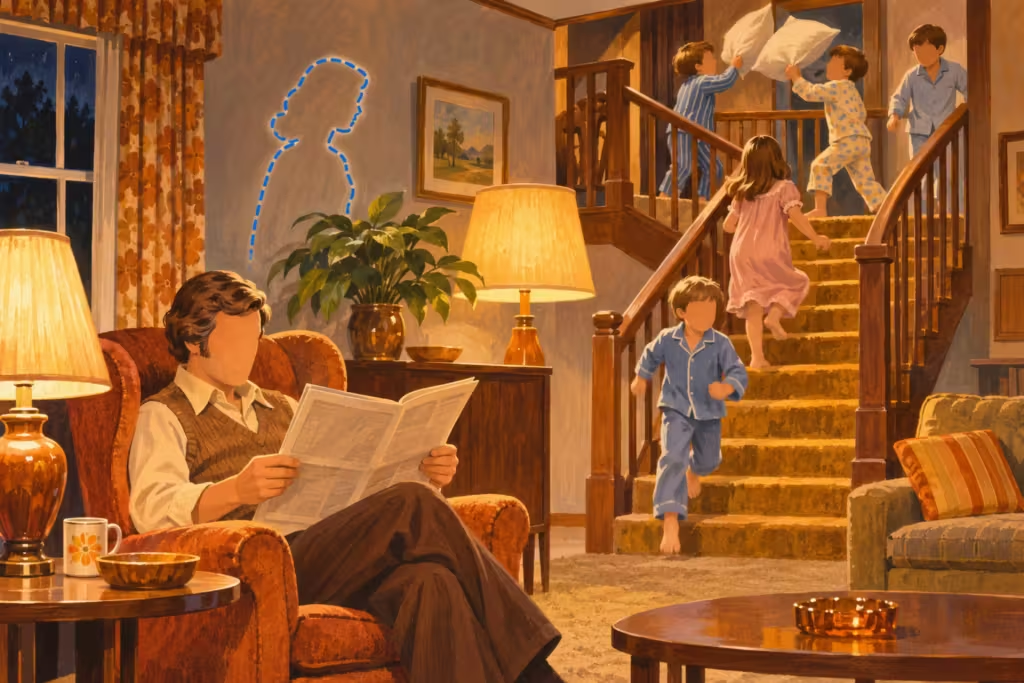
She worries about how Joe will manage alone with six children. She goes out through the window, and only afterward does she realize it was closed. She says she speeds over the treetops and, in a moment, is in her living room.
Joe is reading the newspaper in his favorite armchair. The children are running up and down the stairs when they should be getting ready for bed. Two of them are having a pillow fight. Betty writes that this was normal at bedtime in their house.
That scene at home is the only part of her whole experience that someone else could confirm. As she looks at each child, she says she sees ahead of time how each one’s life will go. She understands that they will all be fine, and she feels at peace. She goes back to the hospital, where the three monks are waiting for her.
Step 6
That night · Out of her body · Betty’s account
Betty says she passes through a darkness and reaches a light
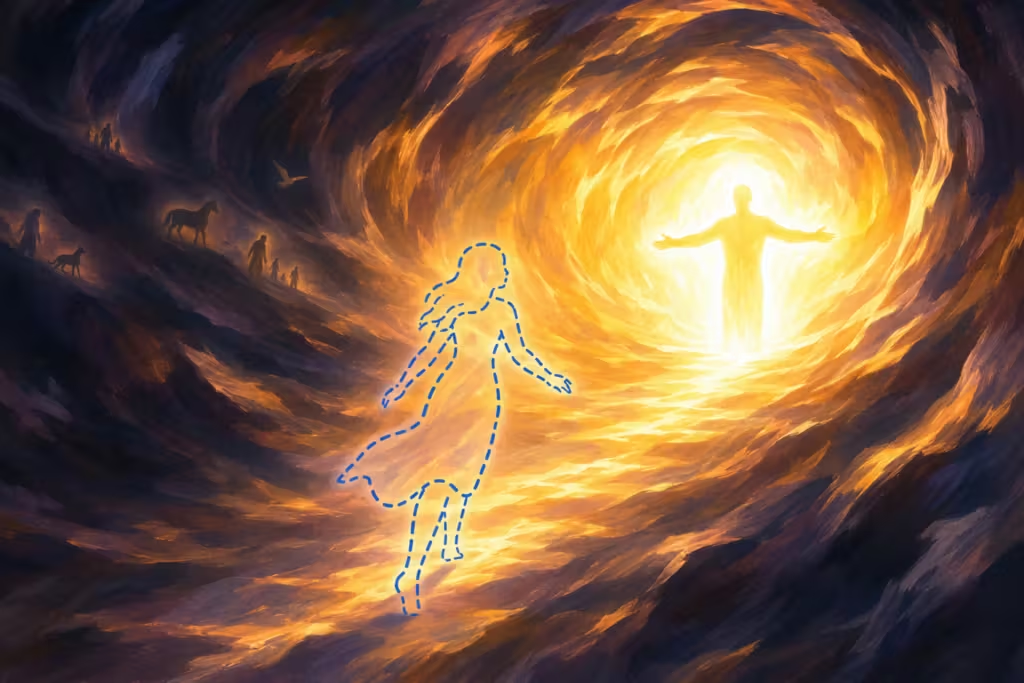
She hears a very loud rushing sound, like a whirlwind, and bells in the distance. The room goes dark. Something carries her toward a black mass that spins like a tornado. As a child she was terrified of the dark, but this darkness gives her peace. She senses that other people, and animals too, are traveling with her, though far away.
A pinpoint of light appears in the distance. As she gets closer, she sees a man standing inside a light brighter than the sun. He opens his arms, and she goes into his embrace. Over and over, she says: “I’m home.”
Betty says it was Jesus, and that he was nothing like the God she had feared all her life. She says he was full of love. He tells her that her death was premature and that it is not yet her time. She doesn’t want to go back.
Step 7
That night · Out of her body · Betty’s account
Betty says she walks through a garden and learns without words

Many questions come to her, and the answers arrive before she has finished asking them. She asks why there are so many churches. She understands that each one is needed by someone. She also understands that we lived before we were born, and that we chose our life on Earth.
Two women she recognizes as old friends go with her. She sees people weaving a shining cloth on looms. And she enters a room that looks like a library, but without books. She says that there, just thinking about something was enough to know everything about it.
Then she goes out into a garden. The grass is alive under her feet, and the colors are like nothing here. The water of a waterfall sounds like music. She goes up to a rose and says she can feel it growing. Then the two women take her to a building.
Step 8
That night · Out of her body · Betty’s account
Betty says a group of twelve men asks her to go back
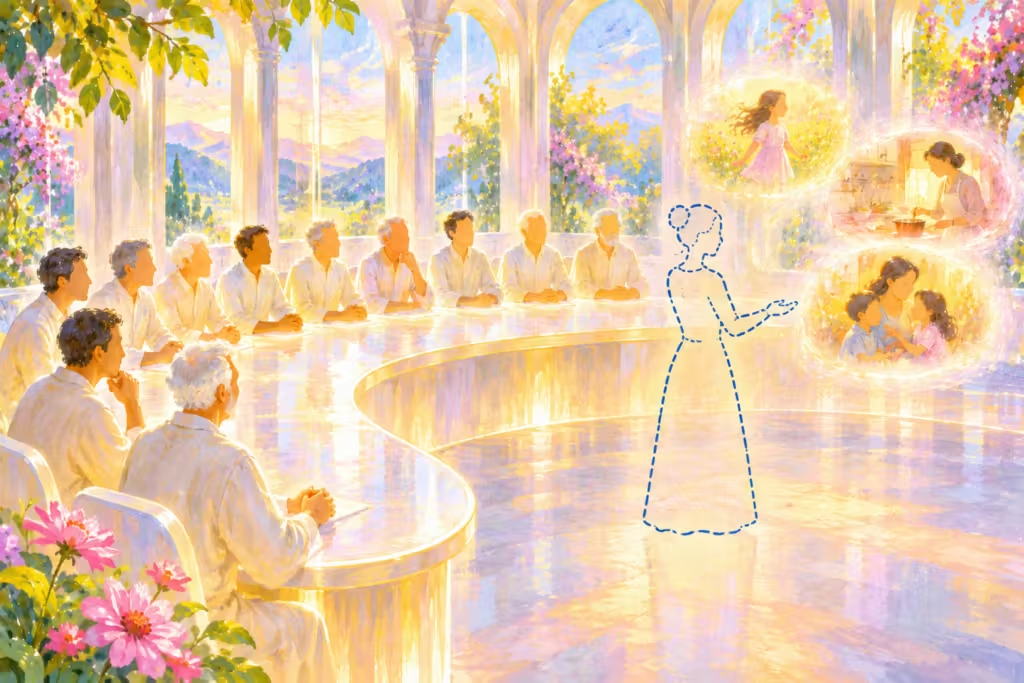
In a room, twelve men are sitting around a table. They tell her she has died before her time and that she has a mission on Earth. They ask her to look at her life, and she agrees.
Her life passes before her at great speed. She feels what other people felt. She feels the hurt she caused with her temper and her selfishness. She sees how that hurt passed from one person to the next, like a row of dominoes, until it came back to her. Jesus tells her she is too hard on herself. Then he shows her how one act of kindness of hers also passed from one person to the next. She understands that the only thing that matters is love.
When they ask her to go back, she refuses. She throws herself on the floor and cries. Then they show her what her mission is, and she agrees to go back. First she makes them promise to bring her back as soon as she has finished it. They erase her memory of that mission.
Step 9
That night, until morning · Very weak · Betty’s account
Betty says she goes back into her body and wakes up at two in the morning
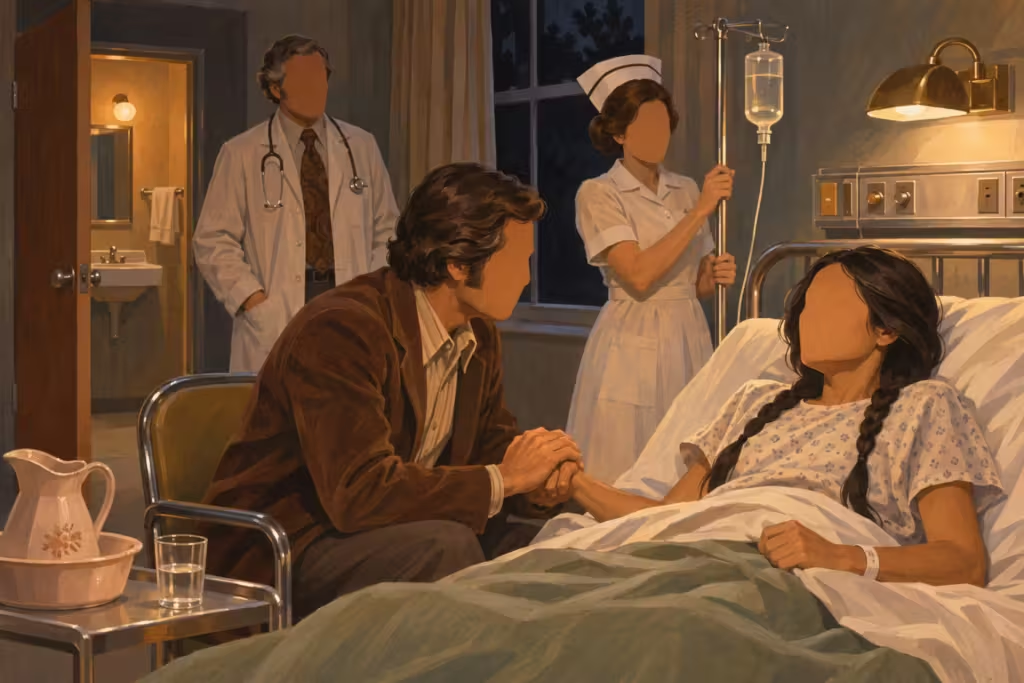
Suddenly she is back in the room. The door is still half open, and the little light above the sink is still on. She sees her body under the blankets, and it disgusts her. She says it was like putting on a pair of cold, muddy work overalls. She goes into it and falls asleep.
When she opens her eyes, it is two in the morning. She works out that more than four hours have passed since she felt herself dying. She writes that she doesn’t know whether anyone tried to revive her, or whether anyone came into the room.
She says that soon afterward she sees five horrible creatures come in, half human and half animal, and that a dome of light protects her. She calls Joe, who thinks she is hallucinating and gets there within ten minutes. She tells him a little of what she has been through. She remembers that, while Joe was with her, doctors and nurses were working on her, tense. She doesn’t know when they started or what they were doing to her. She also says she saw a little girl of two or three walking on tiptoe, like a ballerina. The girl climbed onto the toe of Joe’s shoe and put her hand in his pocket. Joe couldn’t see her.
In the morning, a doctor tells her she has had a very bad night and asks her what she went through. She tells him she had nightmares.
Step 10
Around 1978, five years later · Betty’s account
Betty says her surgeon told her they had “lost her for a while”
In the years that follow, Betty falls into depression and becomes afraid to leave the house. She says she pulled through out of love for her family. When she talks about the experience with her friends, they always ask whether the doctors knew she had died.
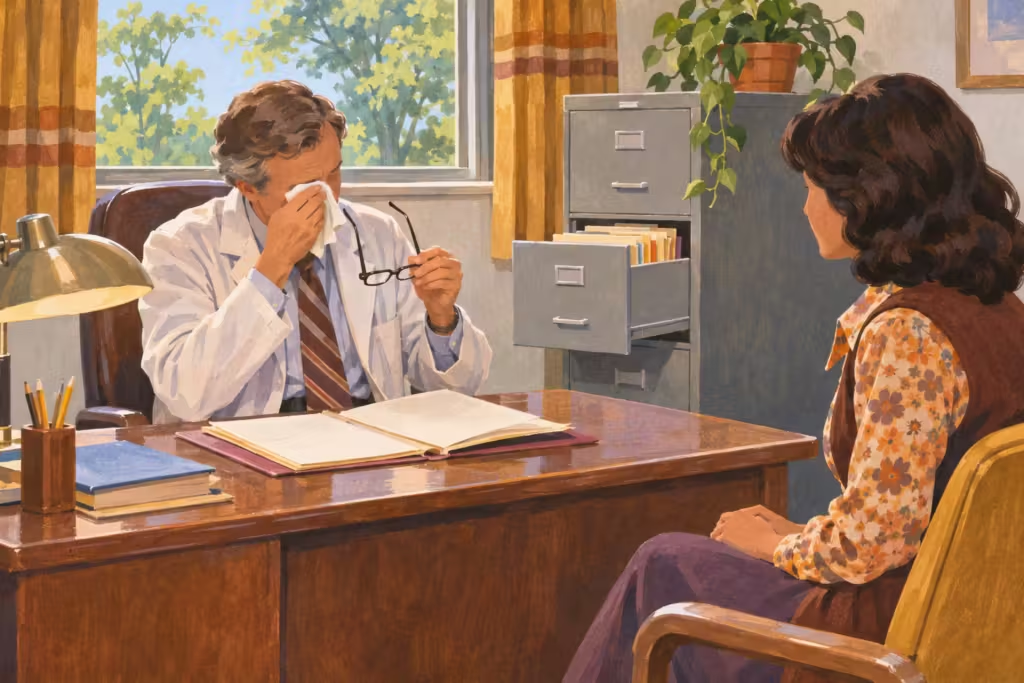
Five years later, she makes an appointment with the surgeon who operated on her. According to Betty, he looks up her file, his eyes fill with tears, and he tells her there were complications that night. In her words, “they had lost me for a while.” He explains that she bled during the operation and that it seems she bled again during the night. He also tells her she was alone during the nurses’ shift change, so they don’t know how long she was dead. And he tells her they treated her for the rest of the morning with a shot, more medication, and IV fluids.
Betty does not give the surgeon’s name. In 1993 she told the Associated Press that the doctor had since died.
Step 11
From 1979 to today · Told by Betty and the press
Nineteen years later, she publishes one of the best-selling books in the United States

About six years after the experience, Betty and Joe took in a baby girl a few months old, and in the end they adopted her. Betty says that when the girl was two and a half, she saw her climb onto the toe of Joe’s shoe and put her hand in his pocket. It was the same thing the little girl in the hospital had done. Betty believes she was the same girl.
For years she told her story at small gatherings, including a Seattle group on near-death experiences. In 1992 she published it in a book written with Curtis Taylor, Embraced by the Light.
In October 1993, the book reached number one on the New York Times best-seller list. By 1995, according to the AP, more than four and a half million copies had been sold.
Before her experience, Betty and her husband had been baptized into the Mormon church. A leaflet the publisher put in the first copies says so. The book does not name that church, and some Mormons criticized her for hiding her faith. In 1996, Betty told a Utah newspaper that she had not been expelled from her church. And she said she doesn’t talk about her faith so as not to hurt the people of her church. In 2022 she was still telling her story in interviews.
That leaves the question: can anything Betty described be checked?
Do you have to be close to death to have an NDE?
In Betty’s case, we don’t know what state her body was in during the experience, because she has not published her medical records. That is why a study that checked other people’s medical records, to see whether they had really been close to death, is useful.
In 1990, three researchers at the University of Virginia reviewed the medical records of 58 people who described an NDE. Most of them believed they had been close to death.
| According to their medical records | People | Saw a very bright light |
|---|---|---|
| Had really been close to death | 28 | 21 |
| Had not been close to death | 30 | 12 |
What these figures don’t tell you
- The experiences were very similar in both groups. The same share of people in both groups said they had left their body. The tunnel and believing they were dying came up a little more often among those who had really been close to death, but the difference was so small it could have been chance. Only two things stood out among those who had really been close to death. They more often saw a bright light, and they more often said they were thinking more clearly.
- These are people who wrote to the university on their own. Half of them did so seven years or more after their experience.
So an NDE alone doesn’t tell you how close someone came to dying. Without her medical records, there is no way to measure how ill Betty was. Her case stands out for how long and detailed her account is.
Frequently asked questions
What did Betty Eadie see in her near-death experience?
Betty Eadie says she left her body on the night after an operation, in November 1973. She says she went to see her family at home. Then, she says, she passed through a darkness and reached a light, and Jesus was in it. She says she walked through a garden, saw her whole life, and was asked by a group of twelve men to go back. We tell it step by step in her story.
Was Betty Eadie clinically dead?
No one knows. Betty Eadie says she died that night, and that five years later her surgeon told her that, in her words, “they had lost me for a while.” She doesn’t give the doctor’s name, and she has never published her medical records. We explain this in “What can be checked.”
Was Betty Eadie a Mormon?
Betty Eadie and her husband had been baptized into the Mormon church before her 1973 experience. A leaflet the publisher put in the first copies of her book says so. The book does not name that church. Some Mormons criticized her for hiding her faith. In 1996, Betty said she had not been expelled from her church. And she said she doesn’t talk about her faith so as not to hurt the people of that church.
What is “Embraced by the Light,” Betty Eadie’s book?
It is the 1992 book in which Betty Eadie tells the story of her near-death experience. In October 1993 it was number one on the New York Times best-seller list. It is listed in the sources at the end.
Where this story comes from
Books
- Betty J. Eadie, with Curtis Taylor, Embraced by the Light (Gold Leaf Press, 1992), her full account. A Spanish translation, He visto la luz, was published in Mexico in 1994 (Grijalbo)Buy the book
Interviews
- Betty Eadie tells her story on Next Level Soul (2022), 73 minutesWatch on YouTube
Press
- An Associated Press report from Seattle, in The Vindicator, October 10, 1993View the page
- Nancy Shulins, of the Associated Press, on Betty Eadie and the surgeon Sherwin Nuland, in the Reading Eagle, May 28, 1995View the page
- “Eadie’s ‘Light’ sequel more down-to-earth,” Deseret News, August 11, 1996Read for free
Criticism and studies
- Richard Abanes and Craig Carden, “What Is Betty Eadie Hiding?” Christian Research Journal, 1994Read for free
- Douglas Groothuis, “To Heaven and Back?” Christianity Today, April 3, 1995Read
- Massimo Introvigne, “Embraced by the Church? Betty Eadie, Near-Death Experiences, and Mormonism,” Dialogue, 1996Read for free
- Justine Owens, Emily Cook, and Ian Stevenson, “Features of ‘near-death experience’ in relation to whether or not patients were near death,” The Lancet, 1990 (paywalled)View in the journal (paywalled)
To understand more
- What is a near-death experience?Read
- How does life change after a near-death experience?Read
- How we check each storyRead
Our archive
- Our full reading of her 1992 book, the 2022 interview, the press coverage from 1993 to 1996, and the criticism of the time, as of November 3, 2026
Keep reading
Los Angeles, 2010
Rajiv Parti
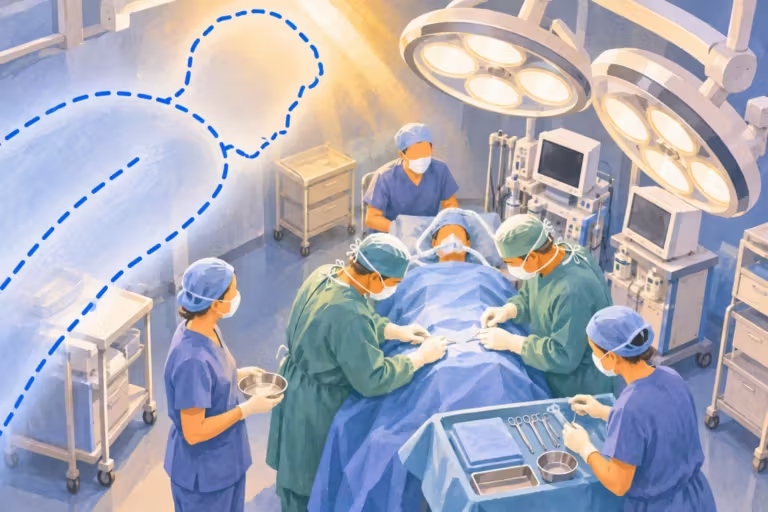
In 2010, Rajiv Parti, a chief anesthesiologist in California, had emergency surgery. He said he watched the operation from the ceiling, heard the anesthesiologist tell a joke, and saw his mother in New Delhi.
Chile, 2019
Ana Magallanes
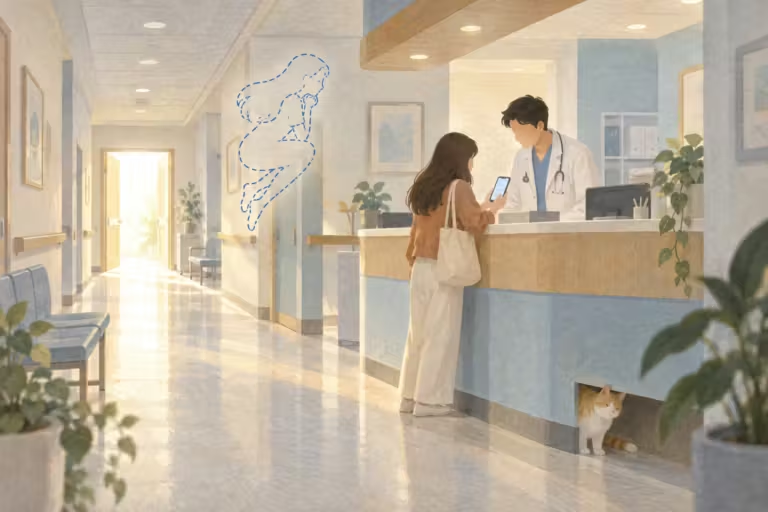
Ana Magallanes says that while she was having open-heart surgery, she saw her friend on another floor with a doctor. According to Ana, her friend later told her it was a video call with Ana’s parents.
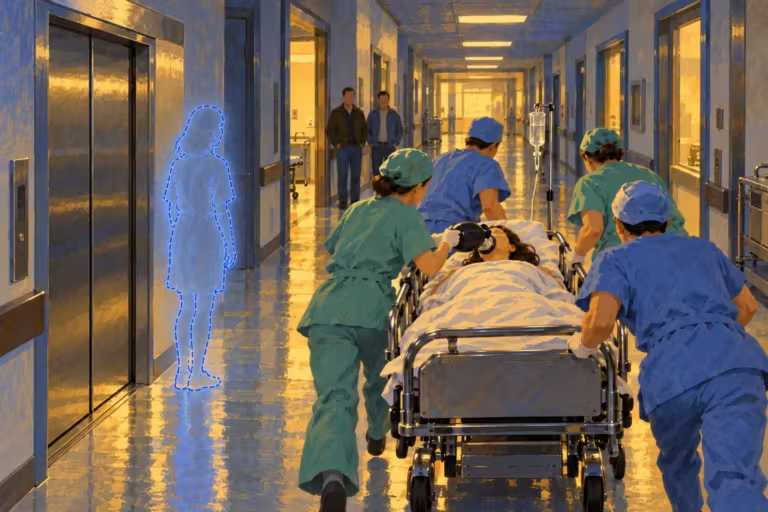
California (United States), 1991
Nancy
She went blind after a biopsy. She said she left her body and saw her partner and her son’s father standing still in the hallway. Her partner confirms they were there.
Reincarnation: The top 5 people who remember past lives
We asked them the same five questions as this story. A 32-page PDF, free in your inbox.
Check your email
We have sent you an email. Open it and press the button to confirm. If you cannot see it, check your spam folder.