A real-life case · Sri Lanka, 1983
Subashini Gunasekera’s reincarnation case
Subashini Gunasekera was a three-year-old girl in Sri Lanka. She said that in another life a hill had fallen on her and her house. In 1983, an assistant to the psychiatrist Ian Stevenson, who studied these cases, wrote down what the girl said. Three years later, Stevenson’s team found the family of a girl who died in a landslide in 1977. They lived 95 kilometers from her home.
The landslide the girl talked about did happen. It was in the press, and a judge investigated it. What is less clear is everything else. Her mother had heard about it, and the family had already asked questions before anyone wrote anything down. We tell it step by step and then look at what can be checked. If you only want the evidence, skip straight to what can be checked. Did Subashini remember the life of a girl who died under a hill?
Step 1
Around 1983 · Subashini is about three years old · Told by her parents
A girl says a hill fell on her house
Subashini Gunasekera was born on January 13, 1980, in Sri Lanka. She lived in Kuliyapitiya, a town in the west of the island. Her parents were teachers, and she was the youngest of four children.
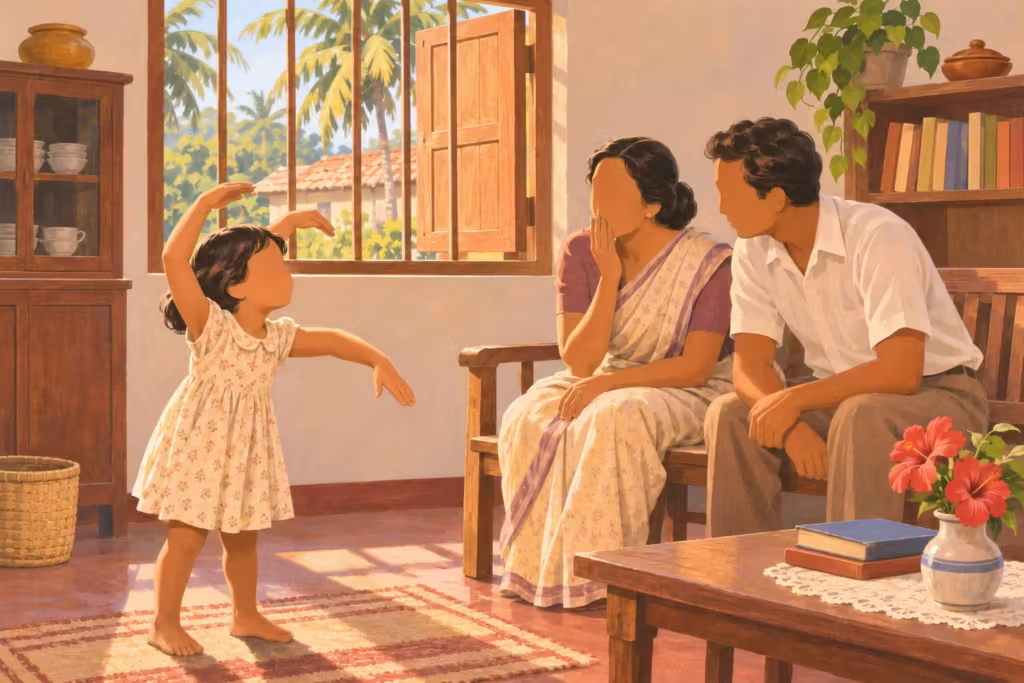
Around age three, she began to talk about another life. She said she had been trapped when a hill fell on her house, in Sinhapitiya, near the city of Gampola. Gampola is in the mountains in the center of the island, about 95 kilometers away by road.
According to her parents, Subashini said that in that life she had an older brother and sister, and a younger brother and sister. She named someone called Vasini, without saying who she was. She said her mother and brother picked tea on a plantation, and that they lived in little houses in a row, like those of tea workers. And she said there was a tap at home that wouldn’t close all the way.
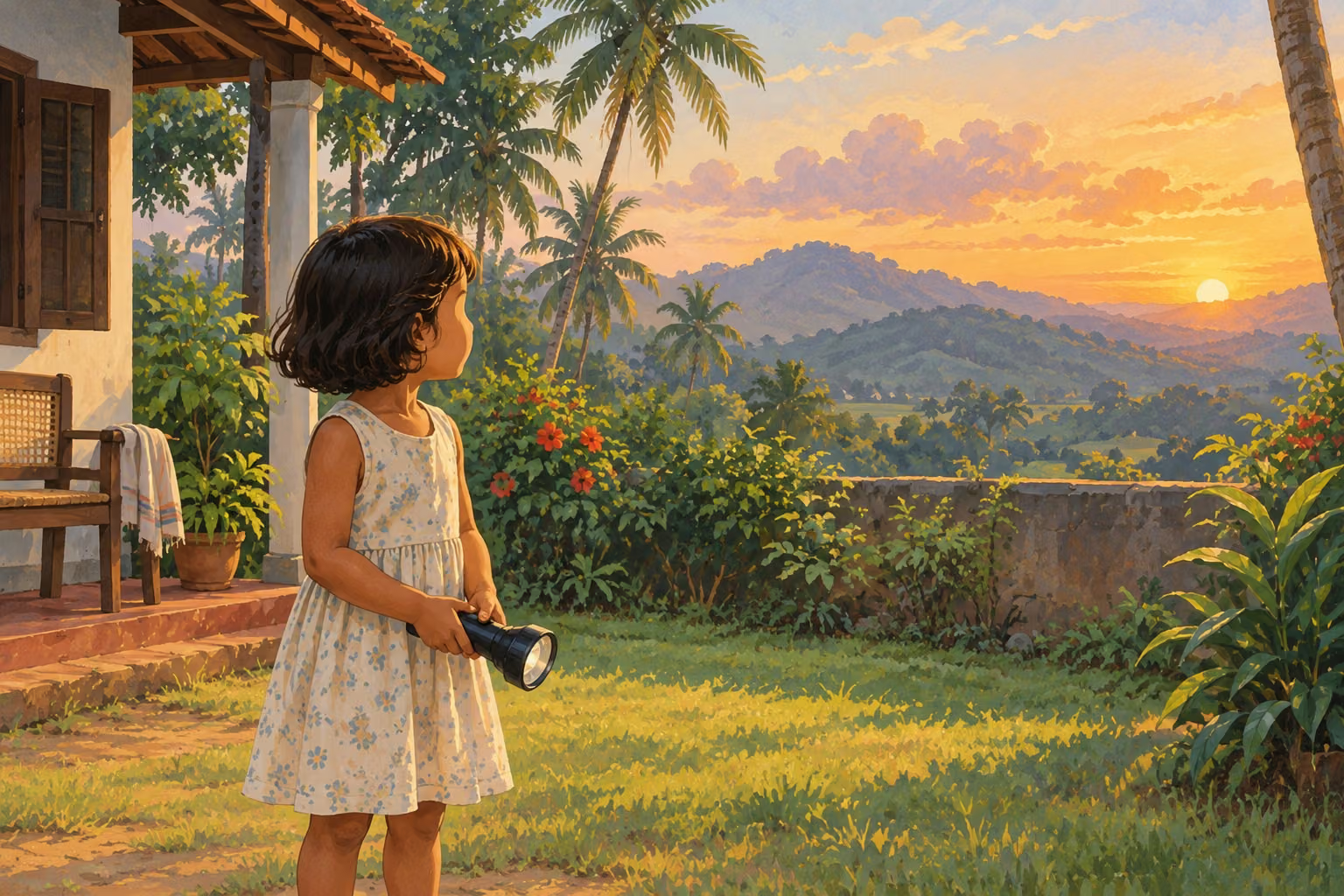
She also said the hill made a noise, “gudu, gudu,” as it fell. Her mother called her and asked her to go outside with a flashlight to see if the hill was about to come down on them. That is where she was trapped, she said, and she came to her present family with the flashlight in her hand.
Her parents knew that area well.
Step 2
1983 · The parents tell the researchers
The father asks around the area before anyone arrives
Subashini’s mother had a sister and a brother in villages near Gampola, 10 and 15 kilometers away. The family visited them at least once a year. In 1977, soon after the landslide, the mother heard that there had been one in Sinhapitiya. She says she didn’t learn any more details and didn’t read anything in the press. The father says he knew nothing until the girl spoke.
When Subashini was about three, her parents took her to a wedding near Gampola. The father told his wife’s family what the girl was saying. A brother-in-law remembered that years earlier there had been a landslide in Sinhapitiya with several deaths.
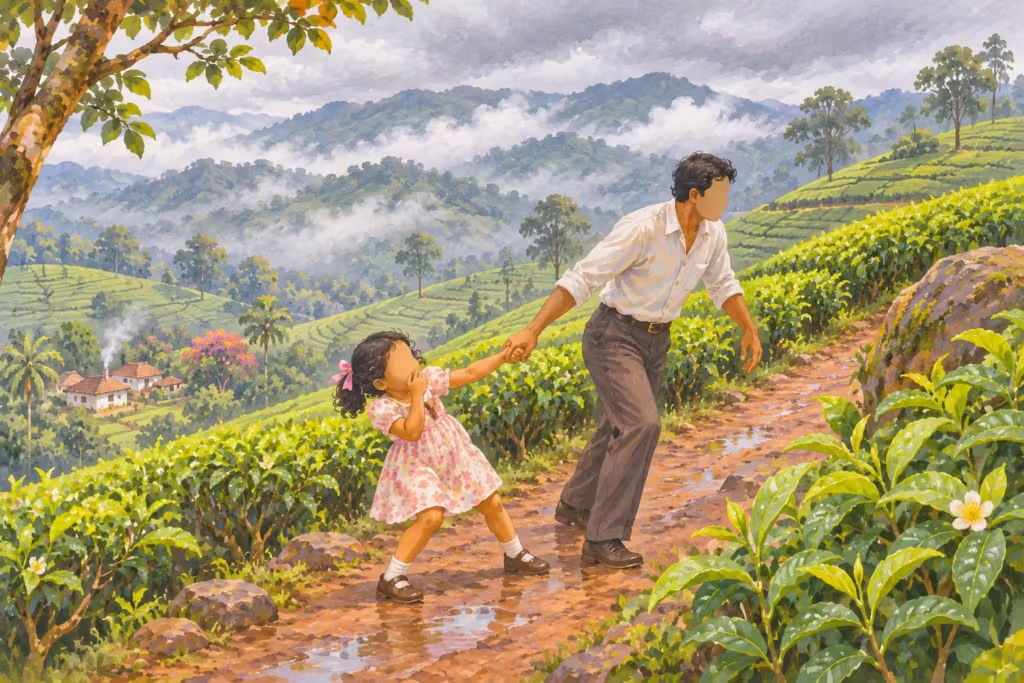
The father took Subashini along a path on the tea plantation where, he was told, it had happened. The girl got scared, screamed, and wouldn’t go on. She said she was afraid of being trapped. The father turned back.
Later he wrote to his brother-in-law and asked him to find out more. The brother-in-law learned that plantation workers died in the landslide. Among them was a Sinhalese family. The Sinhalese are the majority people of Sri Lanka. They lived in the little houses in a row for workers, as Subashini described. The father didn’t ask anything more.
Months later, a researcher arrived.
Step 3
November 24, 1983 · Subashini is almost four · Told by Stevenson and his colleague Godwin Samararatne
An assistant to Stevenson writes down ten things the girl says
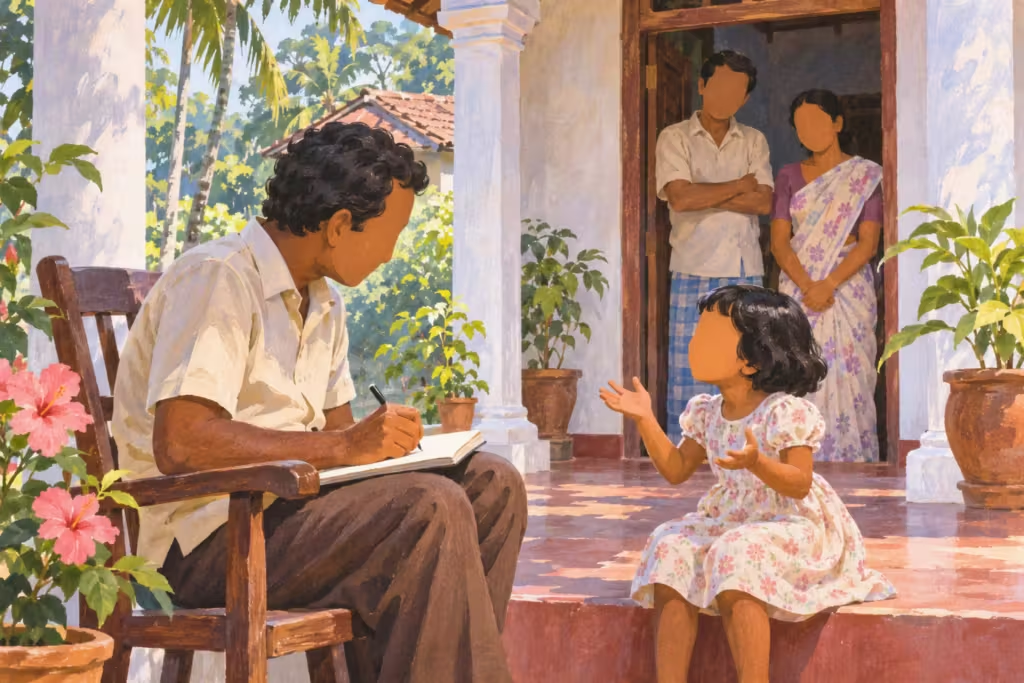
Tissa Jayawardane looked for reincarnation cases in Sri Lanka for the psychiatrist Ian Stevenson, of the University of Virginia in the United States. He heard about Subashini in late 1983 and went to see her on November 24. The girl was still talking about that other life, and he wrote down ten things he heard her say herself.
Jayawardane sent the list to Stevenson. He also sent a news item from the newspaper “Ceylon Daily Mirror,” dated October 25, 1977. It reported a landslide in Sinhapitiya three days earlier, on October 22, and had a photo of the coffins.
According to the researchers, there had been heavy rain. That night, between 7:30 and 8:30, earth and rocks from a hill fell on a row of tea workers’ houses. They were buried with the people inside. One witness spoke of 17 dead, and the plantation owner of 28.
The team didn’t return to the case until 1986.
Step 4
May 1986 · Told by the researcher Godwin Samararatne
The team finds Devi Mallika’s family
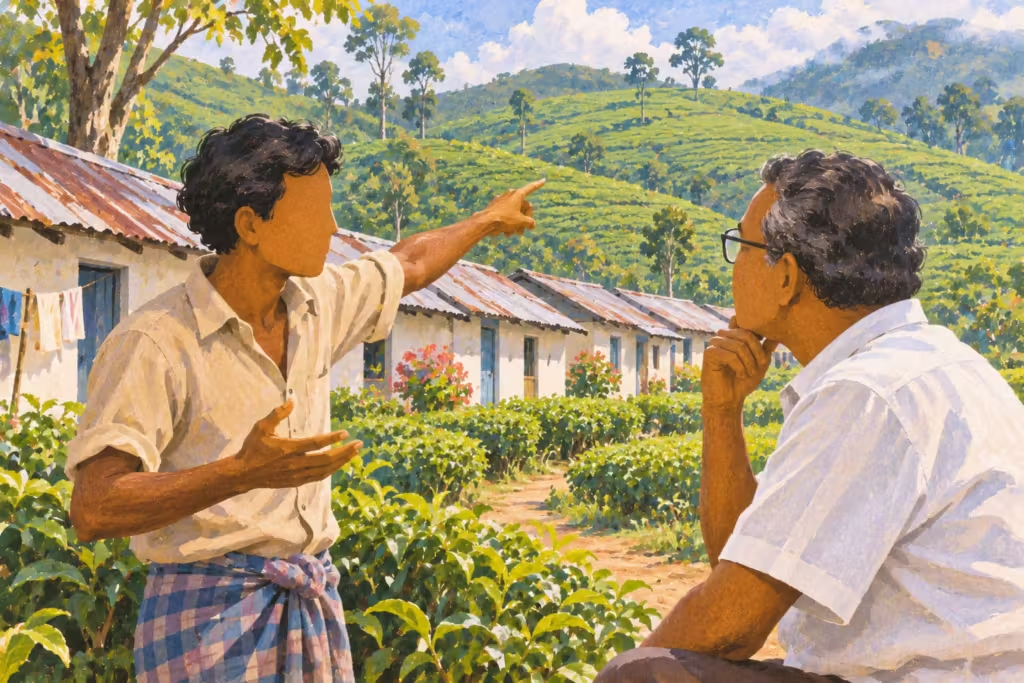
Godwin Samararatne, who did research with Stevenson in Sri Lanka, went to Sinhapitiya. The plantation owner introduced him to H. G. Piyasena. Piyasena lost five members of his family in the landslide, including his parents and his little sister, Devi Mallika. He survived because he wasn’t home.
According to the researchers, of the eight buried houses, all but one belonged to Tamils. The Tamils are another people of Sri Lanka, and they make up most of the tea plantation workers. Subashini said her family was Sinhalese, and she got angry if her brothers called her Tamil. The only Sinhalese family was Devi Mallika’s.
In that house, the parents and the three youngest children died. Devi Mallika was the oldest of the three, and the only one with a younger brother and sister, as Subashini said. The little sister, a year and a half old, was named Chandrakanthie, but at home they called her Vasanthie. For the researchers, that is the name Subashini remembered as Vasini.
No one knows for sure how old Devi Mallika was. Estimates run from three and a half to seven. One coroner’s record says four and another says seven. The researchers go with seven, which is what her older sister, who survived, and a neighbor say.
Then they took Subashini to Sinhapitiya.
Step 5
August and September 1986 · Subashini is six years old · Told by Samararatne
Subashini calls Piyasena “older brother,” but doesn’t recognize anyone else
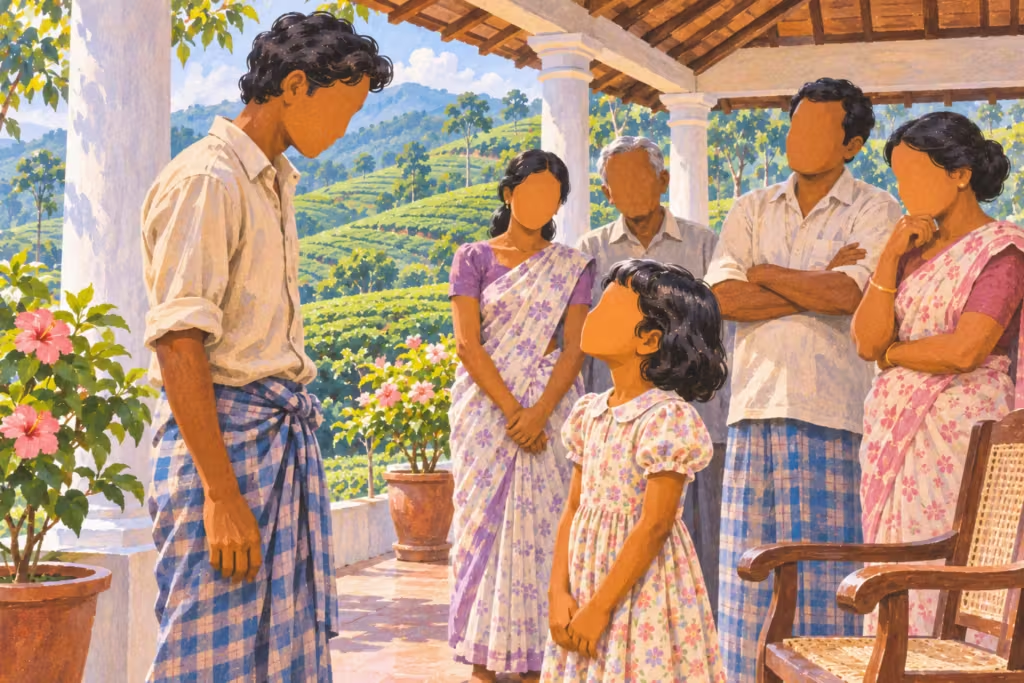
Samararatne talked with Subashini’s parents and wrote down 22 more things that, according to them, the girl had said. Then they took her to Sinhapitiya, to the plantation owner’s house, to meet Devi Mallika’s family.
Subashini called Piyasena “older brother.” But he had stepped ahead of the group and stood in front of her, and Samararatne asked her who he was. She didn’t pick him out from among others, and the researchers admit she could have worked out that he was an older brother. She didn’t recognize Devi Mallika’s older sister, whose name was Mallika, or a neighbor who knew Devi Mallika well.
Of the 32 things written down, Devi Mallika’s family and the neighbor confirmed 25. The other seven couldn’t be checked or weren’t true. The one about the flashlight has no witnesses, because everyone in the house died. Subashini said there was a waterfall near the house, but what there was, was a stream. And she talked about a strict “uncle,” but no one knew who that was.
This time, on the plantation path, the girl wasn’t afraid, and she didn’t seem to recognize any place either.
The team kept looking for how the girl could have known these things.
Step 6
November 1986 to 1988 · Told by Stevenson and Samararatne
Stevenson climbs the hill and publishes the case
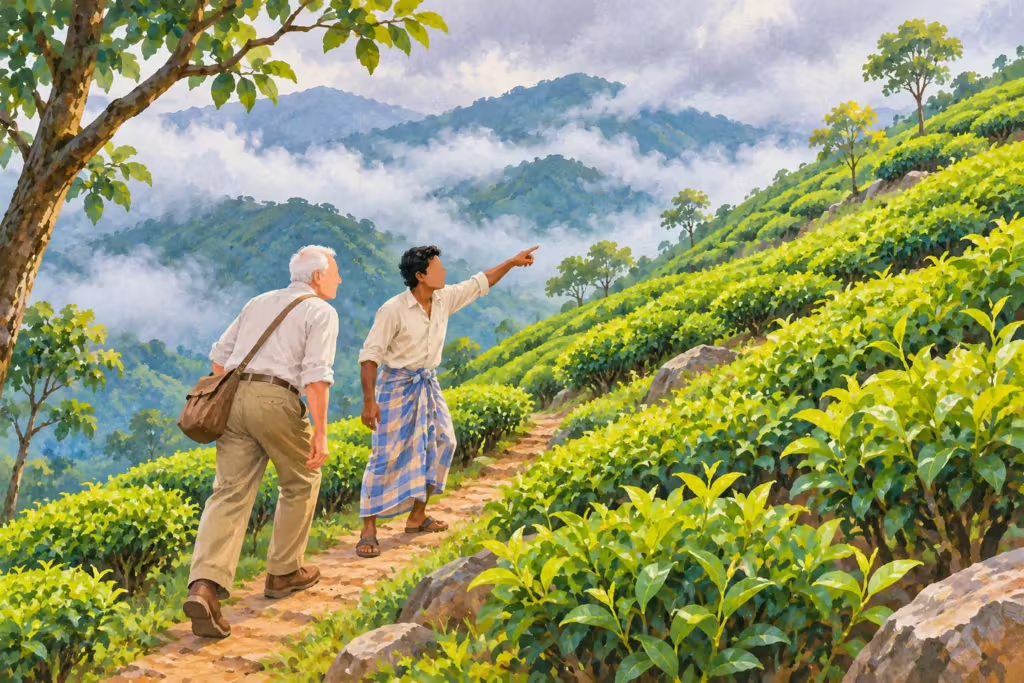
In November 1986, Stevenson went in person. He walked four kilometers uphill to the landslide site, by then covered in vegetation. In Gampola he examined and copied part of the judicial inquiry into the deaths.
The researchers also wrote down the girl’s habits. Subashini called her father in the other life “Thatha.” It is the word Devi Mallika used for hers. In Subashini’s home, the word for “dad” was “Apachie.” Subashini put the sugar for her tea in the palm of her hand and licked it. According to Devi Mallika’s sister, her family did it that way because they were very poor. She described tea plants, which don’t grow where she lived. And she was very afraid of thunder.
Stevenson and Samararatne published the case in 1988. They acknowledge that Devi Mallika’s family had relatives in two villages in the same area as Subashini’s mother’s family. The girl’s parents could have heard about the landslide there. But they don’t believe that the girl or her parents heard 25 details about an unknown family and then didn’t remember hearing them.
The question from the start remains. Did Subashini remember Devi Mallika’s life?
Frequently asked questions
Who is Subashini Gunasekera?
Subashini Gunasekera was born in 1980 in Sri Lanka. Around age three, she said that in another life a hill had fallen on her and her house, in Sinhapitiya. Ian Stevenson and Godwin Samararatne studied the case and published it in 1988.
Who was Devi Mallika, the girl Subashini Gunasekera said she had been?
Devi Mallika was the daughter of a very poor Sinhalese family. They worked on a tea plantation in Sinhapitiya, in central Sri Lanka. She died with her parents and two younger siblings in a landslide on October 22, 1977. She was about seven years old.
Has the Subashini Gunasekera case been proven?
No. The landslide is documented, and 25 of the 32 things the girl said fit Devi Mallika. But her mother had heard about the landslide and had family nearby. Also, the family had already asked questions before anything was written down. Here we explain what can be checked.
Where this story comes from
The study
- Ian Stevenson and Godwin Samararatne (1988), “Three New Cases of the Reincarnation Type in Sri Lanka With Written Records Made Before Verifications,” Journal of Scientific Exploration, 2(2), 217-238, in English
Learn more
- Reincarnation: the cases we have studiedRead
Our archive
- Our reading of the article and the scoring against our five criteria, as of November 10, 2026
Keep reading
England, 1958
Pollock twins
In 1957, a car killed Joanna and Jacqueline Pollock. Their father announced they would come back as twins. In 1958, Gillian and Jennifer were born, and Jennifer had a mark on her forehead where Jacqueline had had a scar.
Sri Lanka, 1989
Dilukshi Nissanka
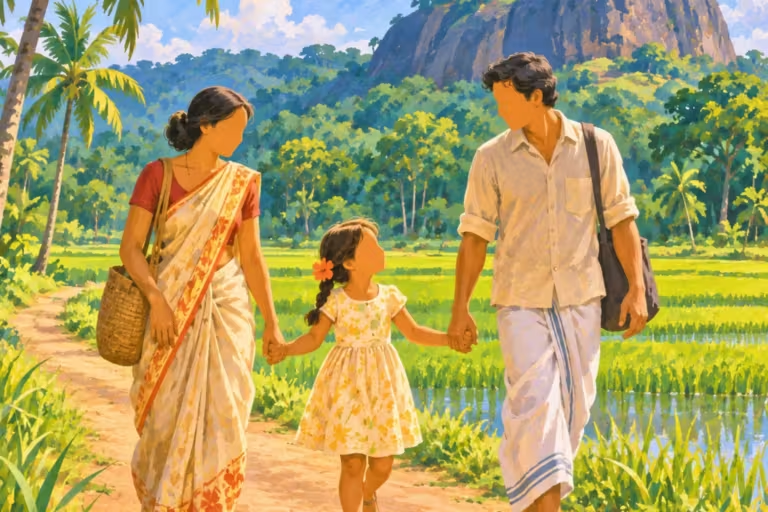
Dilukshi Nissanka was not yet two years old when she began saying that in another life she had drowned near Dambulla. A letter and a newspaper recorded what she said in 1989. Days later, the father of a girl who drowned in 1983 wrote to Dilukshi’s family.
India, 1935
Shanti Devi
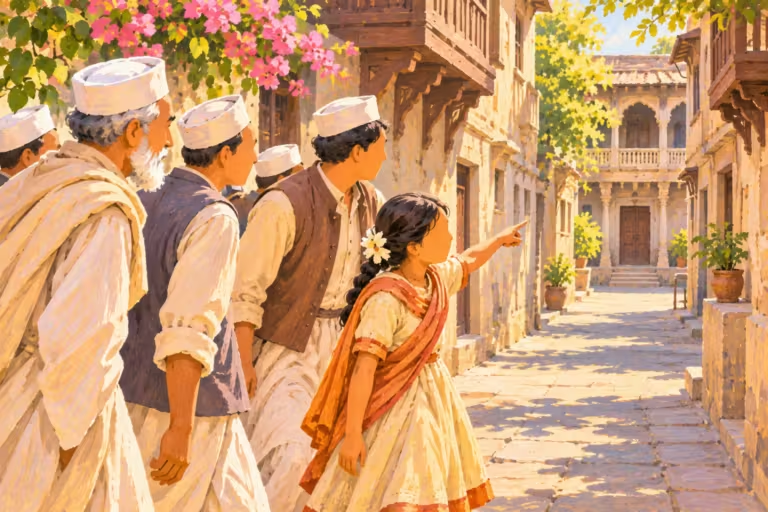
Shanti Devi was eight years old when she gave the address of the husband she said she had had in another life, in the city of Mathura. A school principal wrote to that address, and the man existed. Then she was taken to Mathura.
Reincarnation: The top 5 people who remember past lives
We asked them the same five questions as this story. A 32-page PDF, free in your inbox.
Check your email
We have sent you an email. Open it and press the button to confirm. If you cannot see it, check your spam folder.