Skip to content
portalecm Search

Top 10 best-checked shared-death experiences

Assessed against the published evidence and documentation

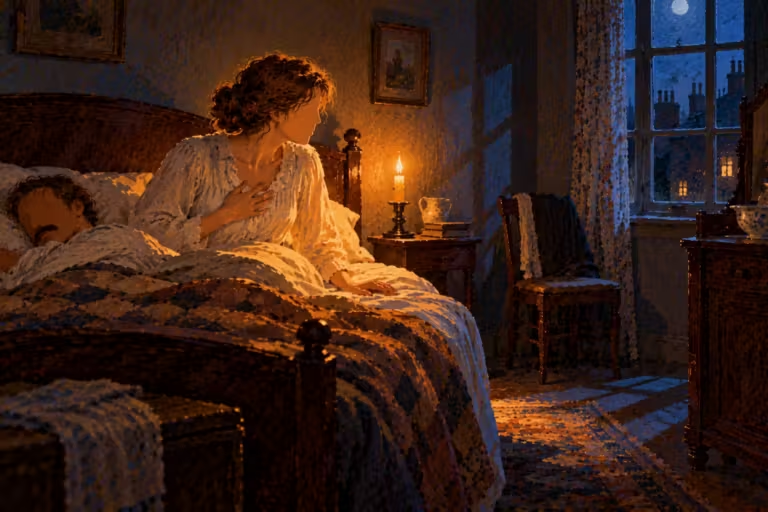
A shared-death experience is when a healthy person senses someone else’s death without anyone having told them. They dream of that person, hear their voice, or see them. In these stories, the person who had the experience was far away from the person who was dying.

We ask every story the same five questions. Each answer is marked like this:

  • Yes1 point
  • Unconfirmed½ point
  • No0 points
  • No data0 points
  • Does not apply0 points

A low score doesn’t mean the person lied. It means the documents needed to check their account are missing.

How we score

#1: 4 stories tied with 4.5 out of 5

Number 1

Andrew Jukes

England, 1854

4.5 out of 5

In 1854, the Reverend Andrew Jukes woke up hearing a voice that told him his brother and sister-in-law had died. He wrote it down. Both of them died of cholera in Ohio, in the United States, over the following days.

  1. Did they tell it before anyone explained anything to them? Yes.
  2. Do we know when they lived through it? Yes.
  3. Do we know when what they saw or heard happened? Yes.
  4. Does an outsider confirm it? Yes.
  5. Did they find out some other way? Unconfirmed.
What document would raise the score A letter that Andrew Jukes received before he heard the voice, on July 31, 1854. It would show whether he already knew there was cholera where his brother Mark lived. Andrew says he didn’t, but Harriet, Mark’s wife, had been writing to the family about cholera since June.
Read the full story

Number 2

The captain’s voice

England, 1879

4.5 out of 5

One morning in 1879, a woman heard the distressed voice of an old friend calling her, and she wrote it down in her diary. He died that same day in India.

  1. Did they tell it before anyone explained anything to them? Yes.
  2. Do we know when they lived through it? Yes.
  3. Do we know when what they saw or heard happened? Unconfirmed.
  4. Does an outsider confirm it? Yes.
  5. Did they find out some other way? Ruled out.
What document would raise the score A copy of what the woman who heard the voice wrote in her diary on October 27, 1879. The researcher saw the page, but he didn’t copy what it said. That would show whether the note named the captain, her friend.
Read the full story

Number 3

John Owen

California and England, 1892

4.5 out of 5

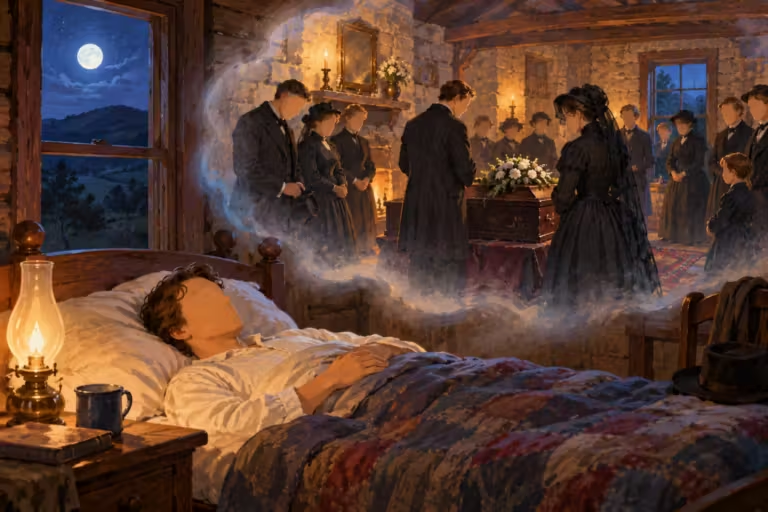
He dreamed in California of the funeral of his mother, who lived in England. He wrote it in a letter before learning she had died.

  1. Did they tell it before anyone explained anything to them? Yes.
  2. Do we know when they lived through it? Yes.
  3. Do we know when what they saw or heard happened? Yes.
  4. Does an outsider confirm it? Yes.
  5. Did they find out some other way? Unconfirmed.
What document would raise the score The letters John Owen received from England before he dreamed of his mother’s funeral. They would show whether he was already worried about her. She was 80 years old. John had the dream first, and he wrote it down on the same day he learned his mother was very ill.
Read the full story

Number 4

J. F. Morse

United States, 1897

4.5 out of 5

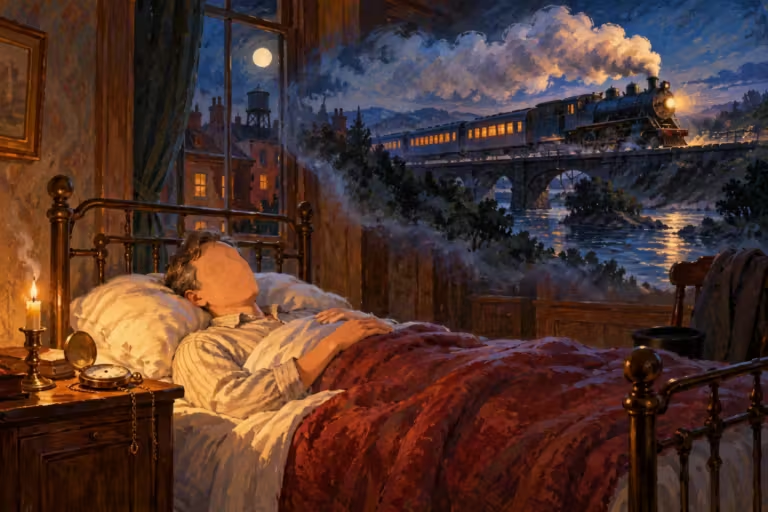
He woke up convinced that his wife had died that night in a sanatorium. A doctor wrote it down with the time and mailed it before the news arrived.

  1. Did they tell it before anyone explained anything to them? Yes.
  2. Do we know when they lived through it? Yes.
  3. Do we know when what they saw or heard happened? Yes.
  4. Does an outsider confirm it? Yes.
  5. Did they find out some other way? Unconfirmed.
What document would raise the score Something that shows what time the two telegrams the family sent, on Friday and Saturday, reached Morse. That would show whether he could have learned of his wife’s death from them before he told his dream to the doctor who put it in writing.
Read the full story

#5: 5 stories tied with 4 out of 5

Number 5

Rose Hervey

Tasmania, 1888

4 out of 5

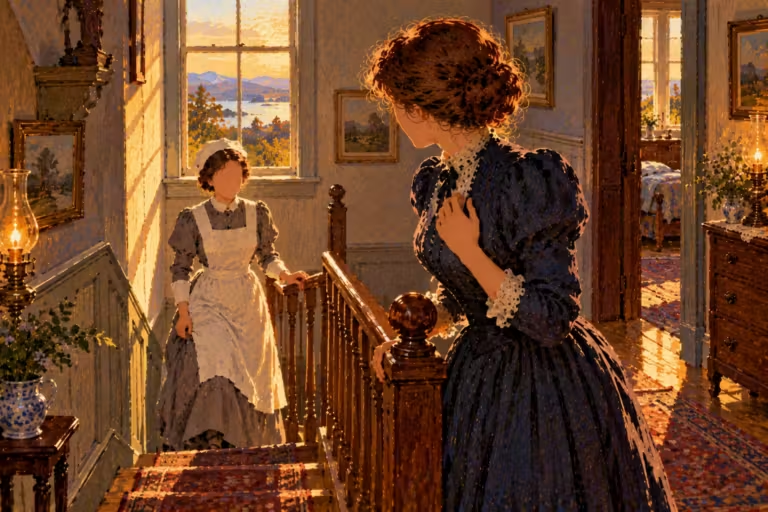
In 1888, in Tasmania, Rose Hervey saw her cousin Ethel coming up the stairs, dressed in gray, and she wrote it down in her diary. Ethel was ill with typhus in Dublin and died 32 hours later.

  1. Did they tell it before anyone explained anything to them? Yes.
  2. Do we know when they lived through it? Yes.
  3. Do we know when what they saw or heard happened? Unconfirmed.
  4. Does an outsider confirm it? Unconfirmed.
  5. Did they find out some other way? Ruled out.
What document would raise the score The original letter that reported the death of Ethel, Rose Hervey’s cousin. It was written in Dublin on the day she died. The researchers only saw a copy that Rose kept. With the original, the time of death would not depend on that copy.
Read the full story

Number 6

Lady Dufferin’s footman

Canada, 1873

4 out of 5

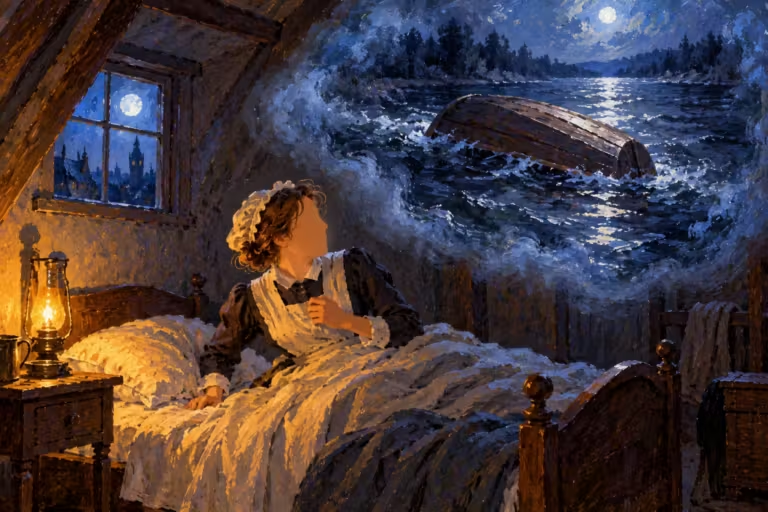
In 1873, a footman drowned on a remote river in Canada. Knowing nothing, his sweetheart wrote him a letter. She told him she had dreamed he was drowning. Lady Dufferin, the woman he worked for, copied that letter into her journal.

  1. Did they tell it before anyone explained anything to them? Yes.
  2. Do we know when they lived through it? Unconfirmed.
  3. Do we know when what they saw or heard happened? Yes.
  4. Does an outsider confirm it? Yes.
  5. Did they find out some other way? Unconfirmed.
What document would raise the score Something with the date when the footman’s sweetheart dreamed that he was drowning. She wrote that she had the dream on the day she started her new job, but she didn’t say what day that was.
Read the full story

Number 7

Mrs. Williams

England, 1882

4 out of 5

One night in 1882, Mrs. Williams dreamed that her uncle was asking her to come and see him, and then she saw him in a coffin. Seven weeks later she learned that her uncle had died that same night.

  1. Did they tell it before anyone explained anything to them? Unconfirmed.
  2. Do we know when they lived through it? Unconfirmed.
  3. Do we know when what they saw or heard happened? Yes.
  4. Does an outsider confirm it? Yes.
  5. Did they find out some other way? Ruled out.
What document would raise the score Something in which Mrs. Williams told her dream before she knew her uncle had died. The first written record is from February 1883. By then, she and her husband already knew.
Read the full story

Number 8

Frederick Wingfield

France and England, 1880

4 out of 5

One night in 1880, in France, Frederick Wingfield dreamed that his brother was sitting in front of him, and he wrote it down in his notebook. Three days later he learned that his brother had died that night in England.

  1. Did they tell it before anyone explained anything to them? Unconfirmed.
  2. Do we know when they lived through it? Unconfirmed.
  3. Do we know when what they saw or heard happened? Yes.
  4. Does an outsider confirm it? Yes.
  5. Did they find out some other way? Ruled out.
What document would raise the score A witness or a letter showing that Frederick Wingfield wrote down the dream about his brother before he knew his brother had died. The first person to see the note was a friend of his, ten days later. By then, the death was already known.
Read the full story

Number 9

Young Tracy

England, 1882

4 out of 5

A nine-year-old blind boy was living at a boarding school far from home. He dreamed that his mother had died on the same night she died suddenly. The letter came two days later.

  1. Did they tell it before anyone explained anything to them? Unconfirmed.
  2. Do we know when they lived through it? Unconfirmed.
  3. Do we know when what they saw or heard happened? Yes.
  4. Does an outsider confirm it? Yes.
  5. Did they find out some other way? Ruled out.
What document would raise the score Something written in 1882 that says the boy, Tracy, told his dream before the letter with news of his mother’s death arrived. The witnesses tell it from memory almost four years later.
Read the full story

#10: 7 stories tied with 3.5 out of 5

Number 10

The woman whose husband was in Australia

England, 1872

3.5 out of 5

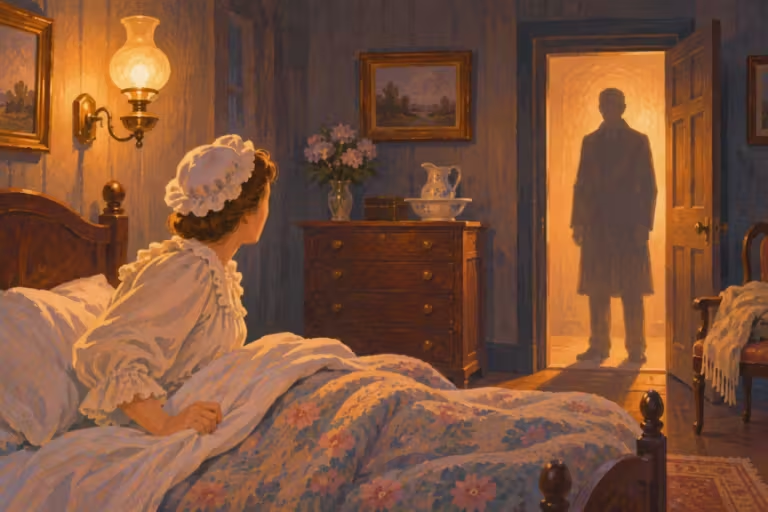
One night in 1872, a teacher in England saw her husband walk around her bed and vanish. He was in Australia. Months later she learned that he had died that same day, but the letter with the time complicates the coincidence.

  1. Did they tell it before anyone explained anything to them? Unconfirmed.
  2. Do we know when they lived through it? Unconfirmed.
  3. Do we know when what they saw or heard happened? Yes.
  4. Does an outsider confirm it? Yes.
  5. Did they find out some other way? Unconfirmed.
Read the full story

Which stories are included

A story is included when someone dreamed, heard, or saw the death of a specific person in the same days that person died. Sometimes it was at the same hour. Other times it was a few hours or a few days before or after.

Four stories from the shared-death section are left out, because the dream is not about a death. They are the Columbia yacht race, the explosion at the Rome Stock Exchange, Professor Boirac’s book, and the nephew in the ditch. Sister Dorothy and the friend who would be “free” in four years are left out too, because the death came weeks or years after the dream. All of them are in Shared-death experiences.

How we score each story

The five questions are the same for every story. Something with the evidence in plain view counts as a “yes.” For the first two questions, so does a dated record made before anything was checked, if a named researcher says they wrote it or saw it. For example, a letter with a postmark, a diary a researcher saw, or a witness who isn’t family. The answers for each story are on its page, with their sources. We explain it all in How we check each story.

Frequently asked questions

What is a shared-death experience?

It is when a healthy person senses someone else’s death without anyone having told them. Sometimes they are at the bedside, and they say they experienced some of what the dying person was going through. Many other times they are far away and know nothing. It is not a near-death experience, because the person who has it is not about to die.

Why does no shared-death experience reach 5 of 5 in the ranking?

Because every one of them still has something unconfirmed. Often it has not been possible to fully rule out that the person suspected the death some other way. For example, through a letter or a telegram, or because they knew that person was ill.

Why are so many of these stories from the 19th century?

Because in those years, a group of English researchers collected each case with its letters, diaries, and witnesses. They published it with those documents. Those papers are what make it possible to answer the five questions.

Does a low score in the ranking mean the person lied?

No. A low score means the documents that would check their account haven’t been published. A story can be completely sincere and still have a low score.

Does this ranking prove there is life after death?

No. The ranking shows which parts of each story can be checked. It doesn’t prove there is life after death, and it doesn’t prove these experiences are only coincidences either.

Does the ranking change over time?

Yes. If we publish a story with a higher score, or a document turns up that raises or lowers the score of one already listed, the order changes.
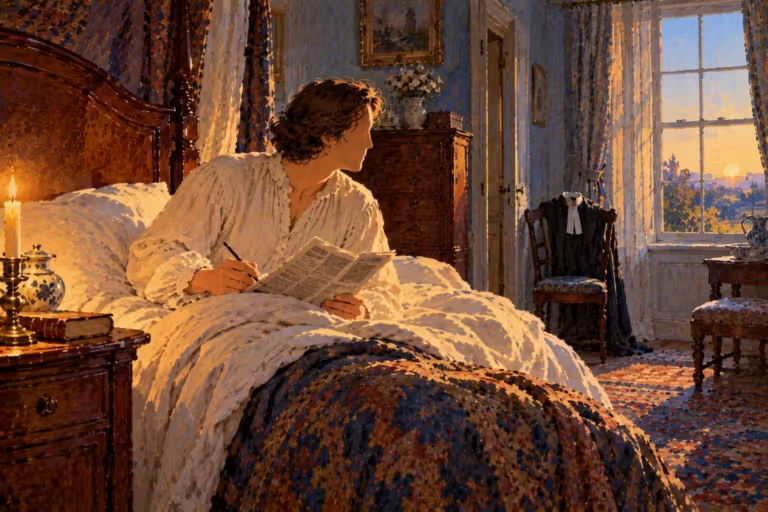

Reincarnation · Free PDF

What about reincarnation?

We asked them the same five questions we ask of near-death experiences. None of the five cases scores 5 out of 5.

Reincarnation: The top 5 people who remember past lives

A 32-page PDF with what each person said, what was checked and what was not. Free, in your inbox.

See what’s in the PDF

To start: